


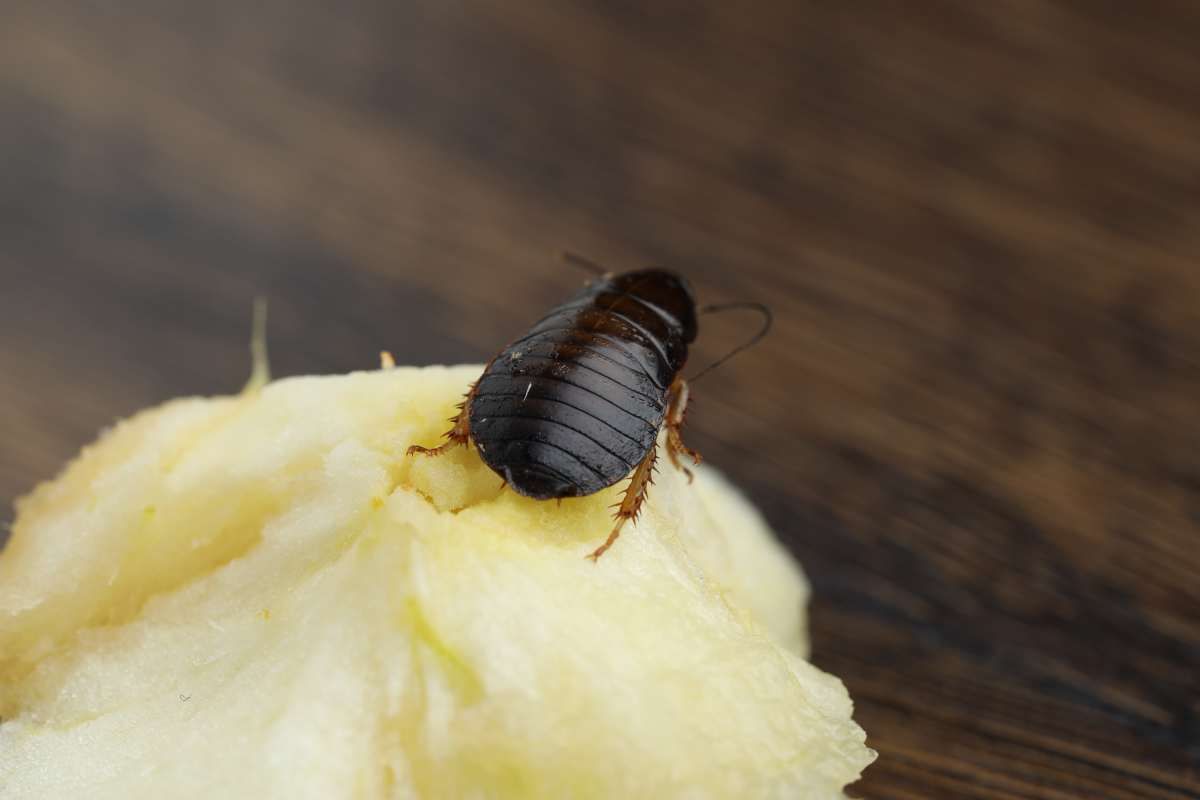
Nobody wants to think about cockroaches in their home. But in Brisbane’s warm, humid climate, these resilient pests thrive year-round — and the tricky part is that by the time most homeowners realise there’s a problem, the infestation is already well established.
Cockroaches are nocturnal, secretive, and experts at hiding in the tightest spaces imaginable. You might only ever see one scurry across your kitchen floor at night — but that single cockroach is almost never alone. Understanding the warning signs early can be the difference between a quick treatment and a full-blown infestation that’s far harder and more expensive to eliminate.
Here’s everything Brisbane homeowners need to know about identifying a cockroach infestation before it gets out of hand.
Why Brisbane Homes Are Especially Vulnerable
Brisbane’s subtropical climate is essentially a paradise for cockroaches. Warm temperatures, high humidity, and plenty of rainfall create the ideal environment for multiple cockroach species to breed quickly and live comfortably — especially the German cockroach and the Australian cockroach, both extremely common in Southeast Queensland.
Cockroaches don’t need much to survive. A small food source, a dark corner, a water leak under the sink — that’s enough to sustain a growing colony. In Brisbane’s older Queenslander-style homes in particular, the timber construction, raised floors, and older plumbing create plenty of entry points and hiding spots.
Even in modern apartments and townhouses, cockroaches find ways in through shared walls, plumbing cavities, and drain pipes. No property is immune.
8 Tell-Tale Signs You Have a Cockroach Infestation
1. You Spot One During the Day
Cockroaches are primarily active at night. If you’re seeing one during daylight hours — especially out in the open — it’s a strong signal that the colony has grown large enough that the less dominant individuals are being pushed out of their hiding spots to find food. In other words, a single daytime sighting may indicate dozens or hundreds living out of sight.
2. Cockroach Droppings
Cockroach droppings are one of the most reliable signs of an infestation. They look different depending on the species:
- German cockroaches leave tiny, dark, pepper-like specks or short cylindrical droppings that resemble coffee grounds. You’ll commonly find these in kitchen drawers, along skirting boards, behind appliances, and inside cupboards.
- Larger species like the Australian cockroach leave slightly bigger, more rounded droppings — sometimes with ridges on the sides.
The more droppings you find, and the wider the area they cover, the larger the infestation is likely to be. Check behind your fridge, under your stove, inside your pantry, and in the backs of bathroom cabinets.
3. A Distinctive Musty Smell
Active cockroach infestations produce a noticeable, unpleasant odour. It’s often described as oily, musty, or slightly sweet in an unpleasant way. This smell comes from the pheromones cockroaches use to communicate with each other, as well as from their droppings and decaying bodies.
If you notice an unusual smell in your kitchen or bathroom that doesn’t go away no matter how much you clean — and you can’t identify another source — cockroaches could be the cause. A strong smell usually indicates a large, established population.
4. Smear Marks and Grease Trails
Cockroaches leave behind brown, irregular smear marks as they move along surfaces, particularly in areas where there’s moisture. Look for these marks on walls near the floor, along skirting boards, around sink drainage pipes, and on the edges of shelving. In kitchens and bathrooms especially, these greasy trails can appear on tiles, beneath appliances, and behind the toilet.
5. Egg Casings (Oothecae)
Cockroach egg cases, called oothecae, are small, brown, capsule-shaped casings that contain multiple eggs. Depending on the species, one ootheca can hold anywhere from 10 to 50 eggs. They are typically found in dark, sheltered locations — behind furniture, inside cupboards, beneath appliances, in roof cavities, or tucked into the corners of drawers.
Finding even one ootheca is cause for concern. Finding multiple means a colony has been actively breeding in your home, likely for some time.
6. Damage to Food Packaging, Paper, and Leather
Cockroaches will chew through cardboard packaging, paper, and even leather to access food sources or nesting material. If you notice irregular gnaw marks on food packaging in your pantry, holes in paper or cardboard boxes, or damage to books, wallpaper, or leather goods, cockroaches may be responsible.
This kind of damage often goes unnoticed or gets blamed on other causes — until the infestation becomes obvious for other reasons.
7. Shed Skins
As cockroaches grow, they shed their exoskeletons multiple times — a process called moulting. These shed skins look like hollow, pale versions of the cockroach itself and are often found in the same sheltered areas where cockroaches hide and breed.
Finding shed skins in your kitchen cabinets, behind the fridge, under the stove, or in bathroom vanities is a clear sign that cockroaches have been living and growing in those areas for a sustained period.
8. You See Them at Night When the Lights Come On
The classic scenario: you get up for a glass of water at midnight, flip on the kitchen light, and see several cockroaches scatter in all directions. This is one of the most definitive signs of an active infestation. If this is happening in your Brisbane home, don’t wait to act — this level of visible activity at night suggests a population that has been building for weeks or months.
Where to Check in Your Brisbane Home
Cockroaches congregate in specific areas. When doing a self-inspection, focus your attention here:
- Kitchen: Behind and under the fridge, under and behind the stove, inside cupboards (especially lower ones near the floor), beneath the sink, inside the pantry near food sources, around the dishwasher.
- Bathroom: Under the vanity, around pipes beneath the basin, behind the toilet, in any areas with moisture or water damage.
- Laundry: Behind the washing machine and dryer, around the tub, beneath the sink.
- Roof cavity and subfloor: Often overlooked, these spaces are prime cockroach habitat in Brisbane’s older homes — dark, warm, and undisturbed.
- Garage and outdoor areas: Cockroaches often enter the home from garages, garden sheds, and outdoor rubbish bin areas.
Use a torch to inspect tight gaps, corners, and dark spaces. You may not see the cockroaches themselves during the day, but you’ll likely find droppings, egg casings, or shed skins if they’re present.
What to Do If You Find Signs of an Infestation
If you’ve found one or more of the signs above, it’s important not to delay. Cockroaches breed rapidly — under ideal conditions, a single German cockroach colony can grow from a handful of individuals to tens of thousands within a matter of months.
DIY treatments — sprays from the hardware store, bait gels, cockroach bombs — can reduce visible numbers temporarily, but they rarely eliminate the root of the problem. Cockroaches adapt quickly to chemical treatments and can develop resistance over time. If any part of the colony survives, the infestation will return, often stronger than before.
Professional pest control is the most reliable solution. A licensed pest technician will identify the specific species involved, locate the source of the infestation, and apply targeted treatments that reach areas DIY products simply can’t. At SWAT Pest Control Brisbane, we use the most advanced, family and pet-safe products available, with treatments designed to eliminate the entire colony — not just the cockroaches you can see.
Prevention: Reducing Your Risk
Once your home is treated, the goal is to make it as uninviting as possible for cockroaches to return. Some key steps include:
- Keeping kitchen benches, floors, and splashbacks clean and free of food residue
- Storing food in sealed, airtight containers rather than in open packaging
- Fixing leaking taps and pipes, as cockroaches are heavily drawn to moisture
- Sealing gaps around pipes, cables, and skirting boards
- Removing clutter from cupboards, garage spaces, and storage areas where cockroaches can hide and breed
- Taking bins out regularly and keeping bin areas clean
A general pest treatment from SWAT Pest Control Brisbane includes coverage for cockroaches as part of our comprehensive package, with a 12-month warranty. If cockroaches return within that period, so do we.
Don’t Wait Until It’s Obvious
The biggest mistake Brisbane homeowners make with cockroaches is waiting until the problem is impossible to ignore. By that point, the infestation has had months to grow, and the treatment required is more extensive.
If you’ve noticed even one or two of the signs described above, it’s worth having a professional take a look. Early treatment is faster, cheaper, and far less disruptive than dealing with a large, established colony.
Get in touch with SWAT Pest Control Brisbane today for a quote — and take the first step toward a cockroach-free home.