
So, how can you tell for sure if you have a lawn bug infestation? Look out for the following signs:
Lawn Grub and Lawn Pest Treatment in Brisbane
At S.W.A.T Pest Control Brisbane, we are well-versed in tackling lawn bug and grass pest infestations.
We understand the importance of a healthy and beautiful yard, and our team of experts is here to help you keep your lawn pest-free.

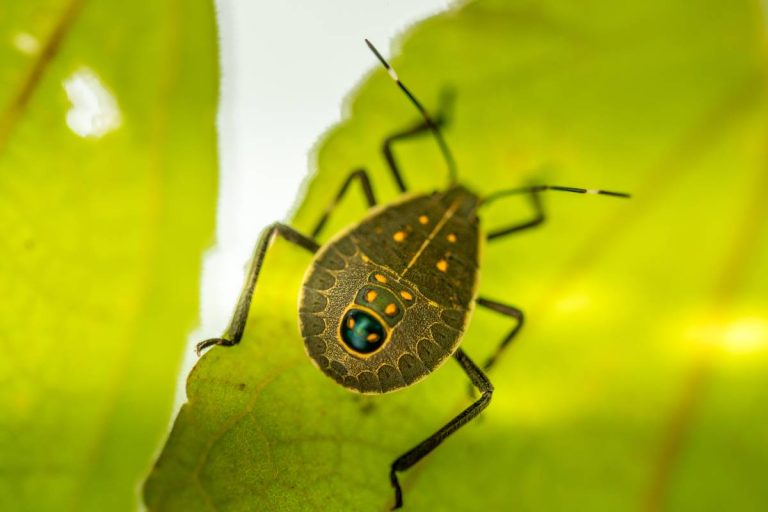
How can you tell if you have a lawn bug infestation?
1. Yellowing or browning patches of grass in your yard may indicate the presence of lawn bugs feeding on the roots or blades of the grass.
2. Look for visible signs of damage, such as chewed or notched grass blades, or the presence of small tunnels or mounds of soil.
3. Increased insect activity in your yard, including crawling or flying pests around your lawn.
4. Plants or flowers in your garden showing signs of wilting or decline due to insect infestation.
Are lawn bugs and other grass pests dangerous?
While lawn bugs themselves may not pose a direct threat to humans, they can cause significant damage to your yard and plants – which is frustrating.
Some grass pests, such as chinch bugs or armyworms, can destroy large sections of grass, leading to large bare patches and an unsightly aesthetic appearance.
Additionally, certain lawn pests can attract other unwanted pests, creating a domino effect! As such, it’s important to get rid of them before things escalate.
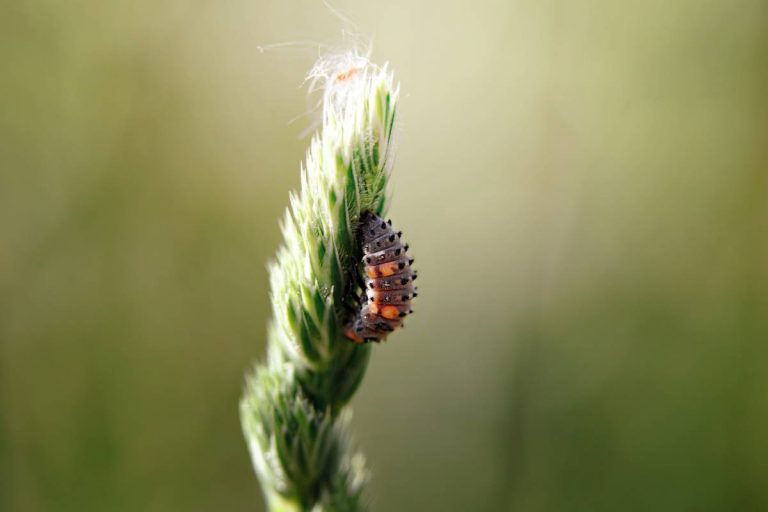
Lawn pests we treat in Brisbane
Several lawn pests can damage your grass, leaving behind brown patches, thinning turf, and areas that are easy to lift or pull apart. Lawn armyworms typically cause brown patches that spread quickly as they chew through grass blades, while birds feeding on the lawn can be an early sign of an infestation. Curl grubs, including African black beetle larvae and other scarab larvae, feed on grass roots, causing the turf to become spongy and lift like a carpet. You may also notice birds or bandicoots digging into the lawn to find the grubs.
Billbugs can cause thin, yellowing patches, with grass stems that break off easily at the base. Mole crickets may create raised tunnels and spongy soil, particularly in sandy areas, while sod webworms tend to leave small brown patches of chewed grass, often in sunny spots. These pests are generally more active during the warmer months, although lawn armyworm activity may be more common from late summer into autumn, depending on local conditions and rainfall.
Not all small piles of soil in your yard are caused by lawn pests. Small piles of sand on the lawn or between pavers are often associated with ants rather than lawn grubs. If you suspect an ant problem, visit our ant control service page to learn more. Flat mounds of loose soil may indicate the presence of fire ants, which must be reported to Biosecurity Queensland on 13 25 23 within 24 hours. Avoid disturbing suspected fire ant nests and follow the relevant reporting guidance.
Is there any way to prevent lawn bugs from spoiling my yard?
It’s incredibly difficult to prevent lawn bugs from invading your yard entirely, however, there are certain steps you can take to minimise the risk:
1. Maintain Proper Lawn Care
Regularly mow your lawn at the appropriate height and follow proper watering and fertilization practices to promote a healthy and resilient lawn.
2. Remove Lawn Debris
Clear away dead leaves, grass clippings, and other yard debris that can attract pests and provide breeding grounds.
3. Monitor and Inspect
Regularly inspect your lawn for signs of damage or pest activity. Early detection can help prevent infestations from spreading.
Why choose us for Lawn Bug / Grass Pests Control in Brisbane?
- Experience and Expertise:With years of experience in the pest control industry, we have the knowledge and expertise necessary to handle lawn bug and grass pest infestations effectively.
- Licensed and Certified Pest Control Experts: Our team of licensed and certified pest control specialists are trained in the latest pest control techniques and adhere to strict safety protocols.
- Customised Treatment Plans: We will tailor our treatment plan to address the specific needs of your lawn, providing efficient and long-lasting results.
- Eco-Friendly Solutions: The health and safety of your family and pets is our priority, as is preserving our local environment. As such, our pest control methods are eco-friendly and targeted, thus minimising any potential risks to your family or the plant life in your yard.
- Competitive Pricing: Our services are competitively priced without ever compromising on quality. We provide transparent pricing with no hidden fees!
How our lawn pest treatment works
- Identify the pest — inspection of the damaged areas and surrounding turf.
- Targeted treatment — a registered product suited to the pest and your grass type, applied across the affected and at-risk areas.
- Watering-in advice — when and how much to water after treatment.
- Recovery advice — fertilising, mowing height and when to expect regrowth.
Most treatments stop further damage within days. Grass regrowth depends on the season, the grass type and how badly it was eaten.
Quick check: do you have lawn grubs?
- Mix a bucket of water with a squirt of dishwashing liquid.
- Pour it over the edge of a damaged patch, where it meets healthy grass.
- Wait 10 to 15 minutes. If caterpillars or grubs come to the surface, you have an active infestation.
Nothing came up but the lawn is still dying? Watering, fertiliser, mower height and lawn diseases can look similar. We can tell you which it is.
We are ready to help
Give us a call now on 07 3901 0420 and we can schedule a treatment at your most convenient time!
Contact S.W.A.T for Lawn Bug / Grass Pest Control Today
Don’t let lawn bugs spoil your beautiful yard! Contact S.W.A.T Pest Control Brisbane today for a fast and effective lawn bug and grass pest control service.
Frequently asked questions
How do I know if it’s lawn pests or just dry grass?
Pests tend to cause irregular brown patches that spread despite watering. Pull gently on the grass. If it lifts easily like a loose carpet because the roots are chewed, pests are likely.
What types of lawn pests are common in Brisbane?
Lawn grubs, armyworms and chinch bugs are common culprits, particularly on buffalo lawns during warm, humid periods.
Will my lawn recover after treatment?
In most cases, yes. Once the pests are gone, healthy grass regrows, but recovery depends on the extent of the damage. Watering, mowing at the right height and fertilising help.
Is it safe for my pets and kids to use the lawn after treatment?
Your technician will give you specific advice, but treated areas are generally safe to use once they’ve dried. Keep pets and children off until then.
What can I do to protect my lawn from pests?
Mow at the right height, water deeply but less often, remove thatch and debris, and inspect your lawn regularly, especially in warm weather. Early detection stops damage spreading.
Will my lawn grow back after lawn grubs?
In most cases, yes. Once the pests are treated, runners from healthy grass usually fill in the damaged areas. Badly damaged patches may need returfing.