Wasp Pest Control Brisbane

What are some tell-tale signs of a wasp infestation?
Do you suspect that you may have a wasp nest? Here are some tell-tale signs:
Is it a wasp nest or a bee hive?
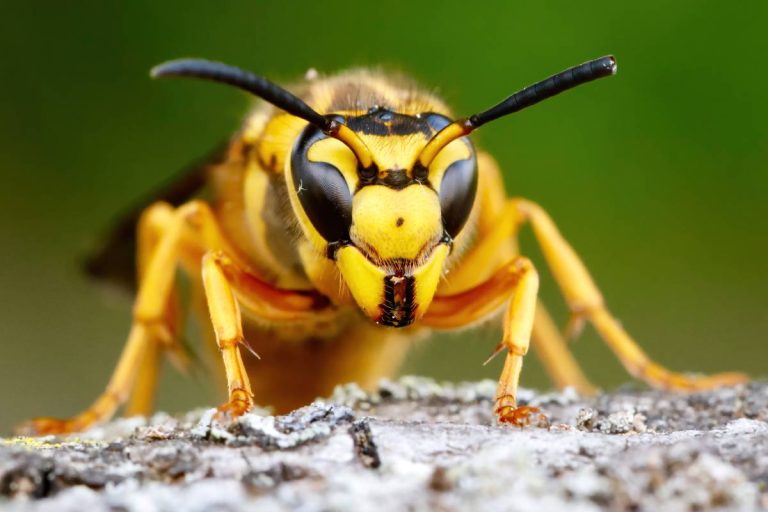
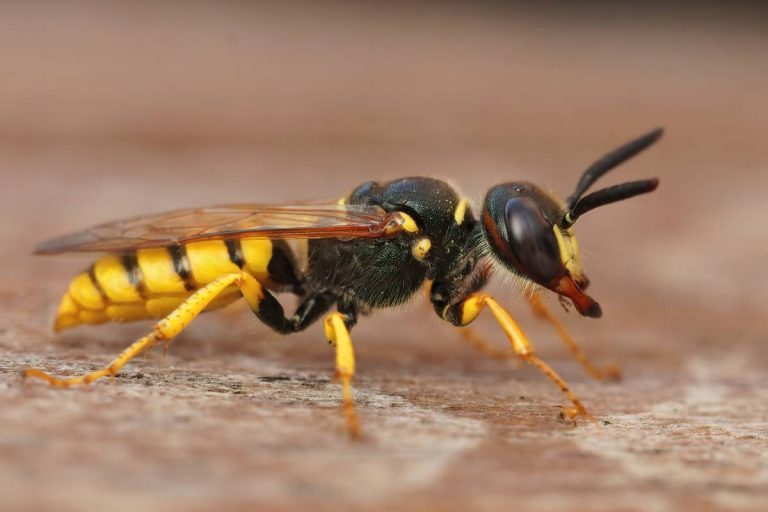
Identifying whether you are dealing with wasps or bees is important, as the right approach to removal depends on the species. Honey bees and native bees play an important role in pollination and should be safely relocated rather than destroyed whenever possible. Wasps typically have slimmer, shinier bodies with a narrow waist and long, dangling legs when in flight. Their nests are often made from a papery material with visible cells, although some species build small nests from mud. Bee species, on the other hand, generally have rounder, hairier bodies and may build wax combs inside wall cavities, tree hollows, or other sheltered spaces. They may also gather in a hanging swarm, particularly when searching for a new nesting site.
If you discover a wasp nest, contact SWAT for professional assistance rather than attempting to remove it yourself. If you find a bee hive or swarm, contact a local beekeeper or a professional bee removal service to arrange safe relocation. If you are unsure which insect you are dealing with, it is best to keep your distance and seek professional advice before taking action.
Wasps we remove in Brisbane
- Paper wasps — the most common nest we remove. Open, grey, umbrella-shaped nests with visible cells, hanging under eaves, pergolas, fences, letterboxes and shrubs. They sting when the nest is disturbed.
- Mud daubers and potter wasps — solitary wasps that build small mud nests on walls, window frames and inside sheds. They rarely sting, but many people want the nests removed.
- Other wasps — if you are not sure what you have, send us a photo and we will tell you before we book.
How we remove wasp nests
- Check the nest — species, size and how close it is to doors, play areas and walkways.
- Treat the nest — with a registered product applied directly to the nest, usually when most wasps are home.
- Remove the nest — once the wasps are dead, so it can’t be reused.
- Treat the surrounding area — eaves and nearby surfaces, to discourage new nests.
Most nests are cleared in one visit. Large nests or nests in hard-to-reach spots may need a follow-up.
Wasp nests and spider webs often share the same eaves, so many customers add a spider treatment in the same visit. Wasps can also nest low in garden beds and lawn edges, see our lawn and garden pest treatment.
Is there any way to prevent wasps from invading my home?
While it’s difficult to prevent wasps from invading your property entirely, there are steps you can take to minimise the risk of a wasp infestation:
• Seal any gaps or cracks in your home’s exterior, including around windows, doors, and utility entry points.
• Regularly inspect and repair damaged screens, vents, and chimneys to prevent wasps from accessing your property.
• Keep outdoor garbage bins tightly sealed and clean to avoid attracting wasps in search of food sources.
• Avoid wearing bright-coloured clothing or floral-scented perfumes, as these can also attract wasps.
• Trim back trees, bushes, and shrubs that are close to your home to reduce potential nesting sites.
Why choose Us for Your Wasp Pest Control in Brisbane?
Experience and Expertise
With over 20 years of experience in the pest control industry, we have the knowledge and expertise to handle the removal of wasp infestations effectively and safely.
Licensed and Certified Pest Control Experts
Our team of licensed and certified specialists are trained in the latest pest control techniques and adhere to strict safety protocols.
Safe and Environmentally Friendly Solutions
We always prioritise the safety of your family, pets, and our local environment. Our pest control methods are eco-friendly and targeted, thus minimising any potential risks.
Guaranteed Satisfaction
We stand behind the quality of our services. If there’s an infestation on your property, we’ll clear it quickly and leave your property clean and tidy when we’re through.
Competitive Pricing
Our services are competitively priced without compromising on quality. We provide transparent pricing and no hidden fees, so you know exactly what to expect!
Contact S.W.A.T Pest Control Brisbane Today:
Don’t let wasps take over your property and put your safety at risk. Contact S.W.A.T Pest Control Brisbane today for reliable and effective wasp pest control services.
Frequently asked questions
Are wasps dangerous? How worried should you be about a wasp nest?
Wasps can be very dangerous indeed, especially when provoked or if their nest is disturbed.
Unlike bees, wasps can sting multiple times, which increases the risk of painful encounters. And of course, if you or someone in your family has allergies, wasp stings can pose a severe health threat.
As such, it’s crucial to exercise caution and be aware of the potential dangers associated with wasp nests.
You should also contact your local Pest Control Experts immediately!
Should I try to remove a wasp nest myself?
No. Wasps defend their nests aggressively and can sting multiple times, so DIY removal is risky. Keep your distance and call a professional.
What should I do if someone is stung and has a severe reaction?
If there’s difficulty breathing, swelling of the face or throat, or dizziness after a sting, call 000 immediately. For mild stings, wash the area and apply a cold pack.
Is it a wasp nest or a beehive?
Paper wasp nests look like papery honeycombs, while bees build wax combs in cavities. If you’re unsure, send us a photo or call. Honey bees are often better handled by a beekeeper.
Can wasps come back to the same spot?
Yes. Wasps often rebuild in sheltered areas like eaves, sheds and roof voids. Removing the nest and treating the area reduces the chance of a new one.
When is the best time of year for wasp removal?
Nests grow through the warmer months, so the earlier you act, the easier it is. If you can see a nest, don’t wait for it to get bigger