


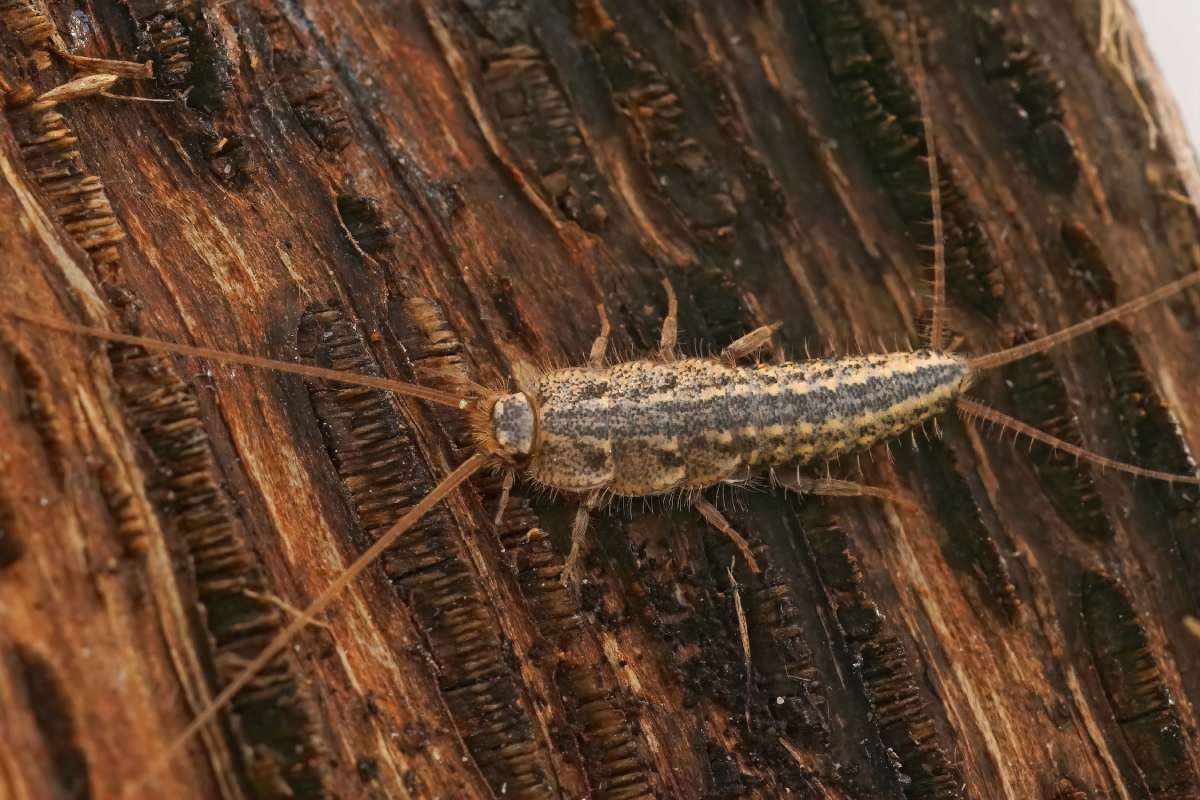
You’ve spotted them before — those small, silver, teardrop-shaped insects darting across the bathroom floor or disappearing under the edge of your wardrobe when you turn the light on. Silverfish. They’re unsettling to find, surprisingly fast, and seem to show up in the most personal spaces of your home.
If you’re finding silverfish regularly in your bathroom or bedroom in Brisbane, you’re not alone. They’re one of the most common household pests across Southeast Queensland, and their preference for humidity and undisturbed hiding spots makes bedrooms and bathrooms two of their favourite rooms in the house.
The good news is that understanding why silverfish are drawn to these specific areas — and what they’re feeding on — goes a long way toward getting rid of them for good.
SWAT Pest Control offers thorough, long-lasting silverfish control in Brisbane that gets to the source of the problem rather than just treating the symptoms. With decades of local experience and treatments built for Brisbane’s climate, we clear existing silverfish and stop them coming back — with upfront pricing and no surprises.
What Are Silverfish?
Silverfish (Lepisma saccharina) are small, wingless insects typically measuring between 10 and 25 millimetres in length. They have a distinctive tapered, fish-like body covered in metallic grey scales, with three long bristle-like tails at the rear and long antennae at the front. Their wriggling, side-to-side movement when they run resembles a fish swimming — hence the name.
They are ancient insects, virtually unchanged for over 400 million years, which gives you some sense of just how well-adapted they are to surviving in domestic environments.
Silverfish are nocturnal, so you’re most likely to encounter them at night, or when you disturb a dark space they’ve been sheltering in during the day. They’re fast movers and will flee toward any dark gap or crack when exposed to light. If you find one in the bath or sink basin, it’s likely because it fell in while foraging and couldn’t climb back out due to the smooth surface.
Why Silverfish Love Bathrooms
The bathroom is arguably the most attractive room in the house for silverfish, and it comes down to two things: moisture and darkness.
High Humidity
Silverfish require humidity to survive. They thrive in environments where relative humidity sits between 70 and 90 percent — exactly the conditions found in a regularly used bathroom, particularly one without strong ventilation. The steam from showers and baths raises moisture levels in the walls, ceiling, and floor, and silverfish have evolved to seek out exactly these conditions.
In Brisbane’s subtropical climate, even well-ventilated bathrooms tend to retain enough moisture for silverfish to be comfortable, particularly in older homes where ventilation may be inadequate or where there are small plumbing leaks.
Dark, Undisturbed Spaces
Silverfish need shelter during daylight hours. Bathrooms offer an abundance of suitable hiding spots: behind the toilet, inside the vanity cabinet, under the sink, within wall cavities near plumbing pipes, and beneath the bath. In many homes these areas are rarely disturbed, giving silverfish a safe place to rest, breed, and feed.
What They Eat in Bathrooms
Silverfish consume substances containing polysaccharides — essentially starches and sugars. In bathrooms, this includes:
- Dead skin cells that accumulate on floors, in grout, and around bath edges
- Soap residue and shampoo (which often contain starches or sugars in their formulations)
- Paper products including toilet paper, cardboard boxes, and the labels on product bottles
- Natural fibres in bath mats and towels
They are not drawn to bathroom environments by water itself but by the combination of humidity and these readily available food sources.
Why Silverfish Turn Up in Bedrooms
Finding silverfish in the bedroom is a different matter — and for many people, significantly more unsettling. The reasons they end up there are less obvious than the bathroom, but just as logical.
Natural Fibres and Fabrics
The bedroom is full of exactly what silverfish eat. Cotton sheets, linen pillowcases, wool blankets, and natural fibre clothing all contain the starches and polysaccharides that silverfish feed on. Wardrobes are particularly attractive because they combine undisturbed darkness with an abundance of natural fibre clothing — the perfect silverfish pantry.
Silverfish can cause genuine damage to clothing and fabric over time. Unlike moths, which leave irregular holes, silverfish create irregular scraping marks or surface damage where they’ve scraped away the fibres to access the starch beneath. Synthetic fabrics are generally safe, but anything with cotton, linen, silk, or wool is potentially at risk.
Books and Paper
Silverfish are particularly drawn to books, old documents, wallpaper, and any paper products stored in the bedroom. They feed on the starch in the paper itself, the glue used in book bindings, and the starch in the sizing applied to many papers during manufacturing. Bookshelves that haven’t been disturbed in a while are a common place to find silverfish — especially in humid conditions.
If you’ve noticed small, irregular surface scraping or yellowing damage on the pages of stored books, silverfish may be responsible.
Roof Cavities and Wall Voids
In Brisbane homes — especially older Queenslanders and post-war homes — silverfish commonly live in roof cavities and wall voids, using these as their primary habitat and foraging into the rest of the home at night. Bedrooms are often directly below roof cavities and adjacent to internal walls, making them easy access points. You may see silverfish dropping from ceiling light fittings or emerging from gaps around cornices and skirting boards.
Humidity from Poor Ventilation
Bedrooms with inadequate airflow, or those that feel noticeably humid — particularly in homes without air conditioning in Brisbane’s summer months — can attract silverfish in the same way bathrooms do. Rooms that retain warmth and moisture overnight provide comfortable conditions for silverfish activity.
How Bad Can a Silverfish Problem Get?
Silverfish reproduce slowly compared to pests like cockroaches or fleas. A female silverfish lays relatively few eggs — typically two to twenty at a time — but they can live for two to eight years, continuing to breed throughout their lifespan.
While a small number of silverfish in your bathroom might seem like a minor inconvenience, an untreated population can grow steadily over months and years. A mature silverfish infestation can mean dozens to hundreds of individuals spread throughout multiple rooms, causing ongoing and cumulative damage to clothing, books, wallpaper, and other materials.
Silverfish are also very good at surviving. They can go without food for up to a year in the right humidity conditions, which means simply removing obvious food sources won’t necessarily drive them out.
Are Silverfish Dangerous?
Silverfish are not dangerous to humans in any direct sense. They don’t bite, they carry no known diseases, and they don’t sting. Some people with allergies or asthma may experience a mild reaction to silverfish scales and debris over time, but this is relatively uncommon.
The primary concern with silverfish is property damage. A significant infestation left untreated will, over time, damage:
- Clothing and textiles (particularly natural fibres like cotton, linen, wool, and silk)
- Books, documents, and photographs
- Wallpaper and wall linings
- Food stored in paper or cardboard packaging (cereals, pasta, flour)
- Decorative items with paper or fabric components
For anyone with a collection of books, important documents, quality clothing, or sentimental items stored in their home, a silverfish infestation is worth taking seriously.
What You Can Do
Reduce Humidity
Improving ventilation in bathrooms and bedrooms is one of the most effective long-term prevention strategies. Use exhaust fans during and after showers, open windows where possible, and consider a dehumidifier in rooms that tend to retain moisture. Fixing any dripping taps or slow leaks under sinks will also help reduce the conditions silverfish thrive in.
Store Items Properly
Books and documents should ideally be stored in sealed boxes or containers rather than left on open shelving in humid rooms. Clothing, especially seasonal items that are stored for long periods, should be kept in sealed garment bags or airtight storage containers.
Reduce Clutter
Silverfish love undisturbed areas. Regular cleaning behind furniture, clearing clutter from wardrobe floors, and vacuuming along skirting boards and in corners removes both the hiding spots and food sources they rely on.
Seal Entry Points
Check for gaps around pipes, skirting boards, cornices, and ceiling fixtures where silverfish may be entering from wall voids or roof cavities. Sealing these gaps with appropriate filler can reduce their access to living areas.
Call a Professional
DIY products — boric acid, diatomaceous earth, surface sprays — can reduce silverfish numbers in accessible areas, but they rarely penetrate the wall voids, roof cavities, and deep cracks where the bulk of the population lives and breeds. A professional treatment reaches these hidden areas with products that continue working long after the visit.
At SWAT Pest Control Brisbane, silverfish treatment is included as part of our general pest control package. Our technicians thoroughly treat internal and external areas, including ceiling cavities, where silverfish are particularly prevalent in Brisbane homes. Our treatments are pet and family-safe, with no need to vacate your home — and they’re backed by a 12-month warranty.
Finding Silverfish Regularly? Don’t Ignore It.
The occasional silverfish isn’t necessarily cause for alarm. But if you’re seeing them regularly in your bathroom or bedroom — or you’ve started noticing damage to fabrics, paper, or stored items — the population is likely larger than what’s visible.
In Brisbane’s climate, silverfish infestations rarely resolve on their own. The earlier a professional treatment is carried out, the less damage they’ll cause and the easier the problem is to resolve.
Reach out to SWAT Pest Control Brisbane today for a quote, and take back your bathroom and bedroom from these persistent little pests.