 Skip to main content


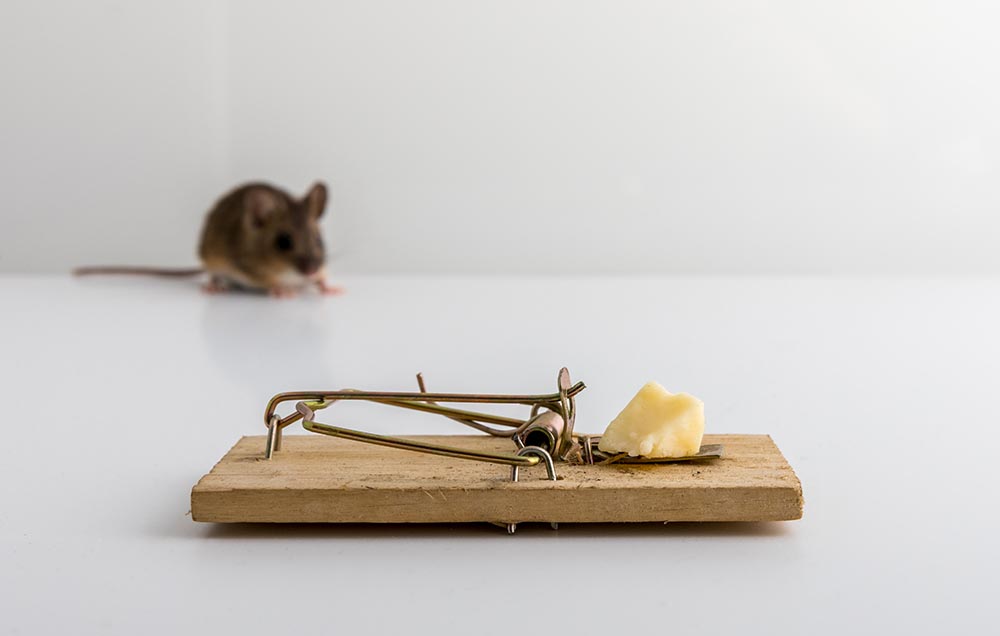
When it comes to dealing with rats and mice, one of the most common questions is, “What’s the best bait to use?” Choosing the right bait can make a huge difference between catching one curious rodent and completely clearing out an infestation.
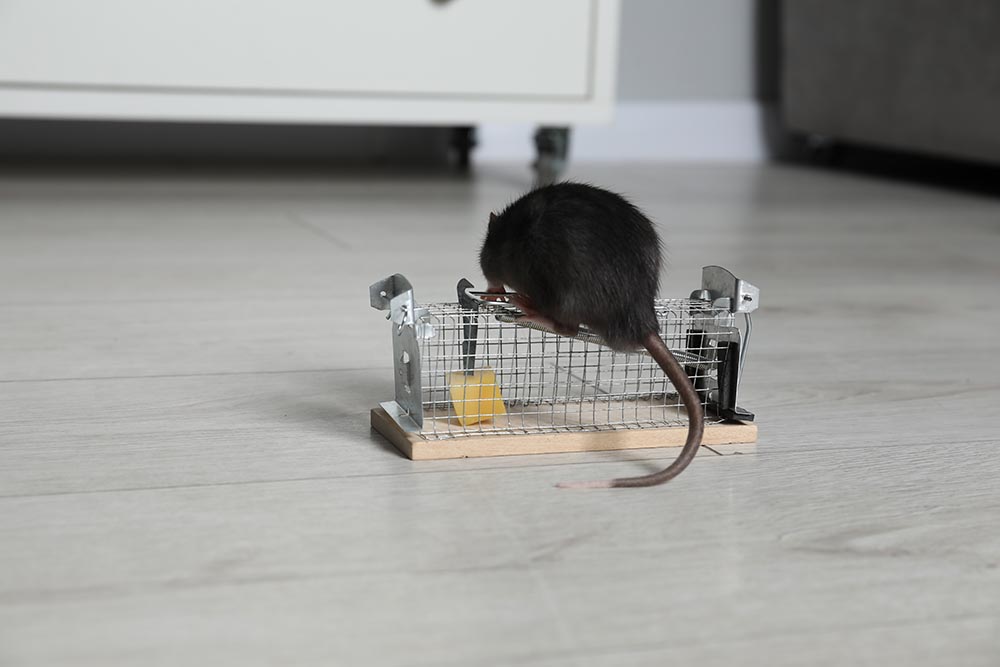
Rats and mice are clever, cautious, and surprisingly picky eaters. While they’ll happily chew through insulation or electrical wires, they won’t always fall for the wrong bait — especially if it doesn’t smell or taste appealing enough. Using the correct bait, in the right trap or bait box, can greatly improve your success rate and help you eliminate the problem faster.
In this article, we’ll go through:
- The best types of bait for rats and mice
- What attracts rodents most effectively
- The difference between bait for traps and bait for boxes
- Common baiting mistakes to avoid
- Expert tips from our Brisbane pest control technicians
Here is our comprehensive rodent pest control in Brisbane guide on what is the best bait to use for rats and mice.
What Makes Good Rat and Mouse Bait?
To choose the best bait, it’s important to understand how rats and mice behave. Both species rely heavily on their sense of smell and taste when looking for food. They prefer high-calorie, aromatic foods that give them quick energy — think fatty, sugary, or protein-rich snacks.
Good baits should therefore be:
- Highly aromatic – Rats and mice locate food by scent, so the stronger the smell, the better.
- Soft or sticky – So they can’t easily snatch it away without triggering the trap.
- Fresh – Stale bait is far less appealing.
- Matched to the species – Rats and mice have slightly different preferences, so what works for one might not work for the other.
At SWAT Pest Control Brisbane, we always start by identifying which species is active before selecting the right bait.
Best Baits for Rats
Rats are larger, more cautious, and often more selective than mice. They’re omnivorous and will eat almost anything, but they tend to prefer high-protein, high-fat foods — similar to what they’d find scavenging in bins or around kitchens.
Here are some of the most effective rat baits we use and recommend:
1. Peanut Butter
Peanut butter is one of the most reliable baits for both rats and mice. Its strong scent, sticky texture, and high protein content make it irresistible. Plus, rats can’t easily grab and run — they need to lick it off, which increases the chance of triggering the trap.
Tip: Use just a pea-sized amount on the bait plate. Too much can make it easier for the rat to remove without springing the trap.
2. Bacon or Cooked Meat
Rats love fatty, protein-rich foods, and the smell of bacon or leftover meat is hard for them to resist. A small piece of cooked bacon secured to the trap works exceptionally well.
Tip: Lightly warm or fry the bacon first — the stronger the aroma, the more attractive it becomes.
3. Dried Fruit or Berries
Rats are often attracted to sweet, chewy foods. Dried fruit like raisins, sultanas, or pieces of apple work great because of their strong scent and sticky texture.
Tip: Press the fruit into the bait plate or tie it down using a string or wire to prevent theft.
4. Chocolate or Nutella
Just like humans, rats love chocolate. The smell of cocoa and sugar is a powerful lure, especially in indoor settings like kitchens or pantries. Nutella or hazelnut spread works even better due to its stickiness.
5. Pet Food or Cereal
If you’ve got pets, you may have already noticed rats nibbling on dog or cat food. Dry kibble, wet food, or cereal grains can all work as baits — especially when used in outdoor bait boxes.
Tip: Mix pet food with a dab of peanut butter to improve its scent and hold it in place.
Best Baits for Mice
Mice are smaller, more curious, and less cautious than rats. They explore new foods quickly and often take small nibbles rather than big bites. While their diets are similar, mice prefer sweeter, carbohydrate-rich foods.
Here are our top recommendations for mouse baits:
1. Peanut Butter (Again!)
It’s the universal favourite. For mice, peanut butter is ideal because they can’t just pick it up and go — they have to stop and lick, giving the trap enough time to work.
2. Seeds and Grains
Mice naturally forage for grains, seeds, and nuts. A small handful of birdseed, sunflower kernels, or even oats can attract them effectively.
Tip: Mix seeds with peanut butter for added stickiness.
3. Chocolate or Sweet Lures
Mice are particularly drawn to sweet foods. Chocolate, Nutella, or even a piece of candy can make excellent bait in indoor traps.
4. Cheese — Myth or Reality?
Despite the stereotype, cheese is not the most effective bait. Some mice will take it, but it’s not as aromatic or sticky as other options. If you do use cheese, go for a strong-smelling one like blue cheese or cheddar and press it firmly onto the trap.
5. Oats and Honey Mixture
Mixing oats with a bit of honey or syrup creates a sticky, sweet bait that mice find irresistible. It also sticks firmly to the trap plate, making it harder for them to remove without setting it off.
Bait for Traps vs Bait for Boxes – What’s the Difference?
When it comes to controlling rodents, there are two main baiting methods:
- Traps (snap traps or live traps) – designed to catch or kill rodents instantly.
- Bait boxes (tamper-resistant stations) – designed to attract rodents to consume poison bait safely.
Each method uses different types of bait.
For Traps:
Use food-based attractants — the natural items listed above, such as peanut butter, bacon, or chocolate. The goal is to lure the rat or mouse into physical contact with the trap mechanism.
Placement Tips:
- Set traps along walls or known runways.
- Use gloves when handling bait to avoid leaving human scent.
- Change bait every few days to keep it fresh.
For Bait Boxes:
Use rodenticide baits that are specifically formulated for professional pest control. These come as blocks, pellets, or pastes containing an active ingredient that kills rodents over time.
Important: Always use rodenticide baits responsibly — never leave them out in the open where pets, children, or wildlife can access them. That’s why SWAT Pest Control Brisbane only uses secure, tamper-proof bait boxes that comply with Australian safety standards.
Our technicians strategically place these boxes in areas where rodents travel, ensuring they take the bait safely and effectively without harming non-target species.
Common Baiting Mistakes to Avoid
Even the best bait won’t work if it’s used incorrectly. Here are some of the most common mistakes we see homeowners make:
1. Using Too Much Bait
More isn’t always better. Large amounts can make traps less sensitive or allow rodents to grab a mouthful and escape. A pea-sized portion is usually perfect.
2. Placing Bait in the Wrong Location
Rats and mice tend to travel along walls and dark edges. Placing traps in open spaces often fails. Always set traps close to their runways or nesting areas.
3. Touching Bait with Bare Hands
Human scent can make rodents wary. Use disposable gloves when handling traps or bait to avoid contamination.
4. Ignoring Freshness
Old or mouldy bait loses its appeal. Refresh baits every few days, especially in humid Brisbane weather.
5. Relying on Bait Alone
Baiting is only one part of rodent control. Without proper sanitation and exclusion (blocking entry points, sealing food sources), rats and mice will keep coming back.
Expert Baiting Tips from SWAT Pest Control Brisbane
Here’s how we achieve maximum results when baiting for rats and mice:
- Pre-baiting: We often leave traps unset with bait for a couple of days so rodents get used to feeding without risk. Once they trust it, we set the trap.
- Multiple traps: Rats and mice are social — setting several traps increases catch rates.
- Scent masking: We avoid human scent contamination by using gloves and handling traps minimally.
- Integrated approach: We combine baiting with proofing (sealing holes), hygiene measures, and follow-up inspections to ensure lasting results.
At SWAT Pest Control Brisbane, we also use professional-grade rodenticide baits designed to withstand Brisbane’s warm, humid climate — meaning they stay effective for longer in outdoor or industrial settings.
Conclusion
So, what’s the best bait to use for rat and mouse traps and boxes? The answer depends on your setup:
- For traps: Peanut butter, bacon, chocolate, or dried fruit are unbeatable favourites.
- For bait boxes: Use only approved rodenticide blocks or pastes in tamper-proof stations for safety and effectiveness.
The secret to success lies in combining the right bait with good placement, cleanliness, and professional guidance.
If you’re struggling with a rodent problem in your home, office, or warehouse, SWAT Pest Control Brisbane can help. Our technicians use proven baiting strategies, high-quality traps and boxes, and integrated pest management solutions that eliminate rats and mice quickly — and keep them from coming back.
Contact SWAT Pest Control Brisbane today to schedule an inspection and reclaim your property from unwanted rodents.
