 Skip to main content


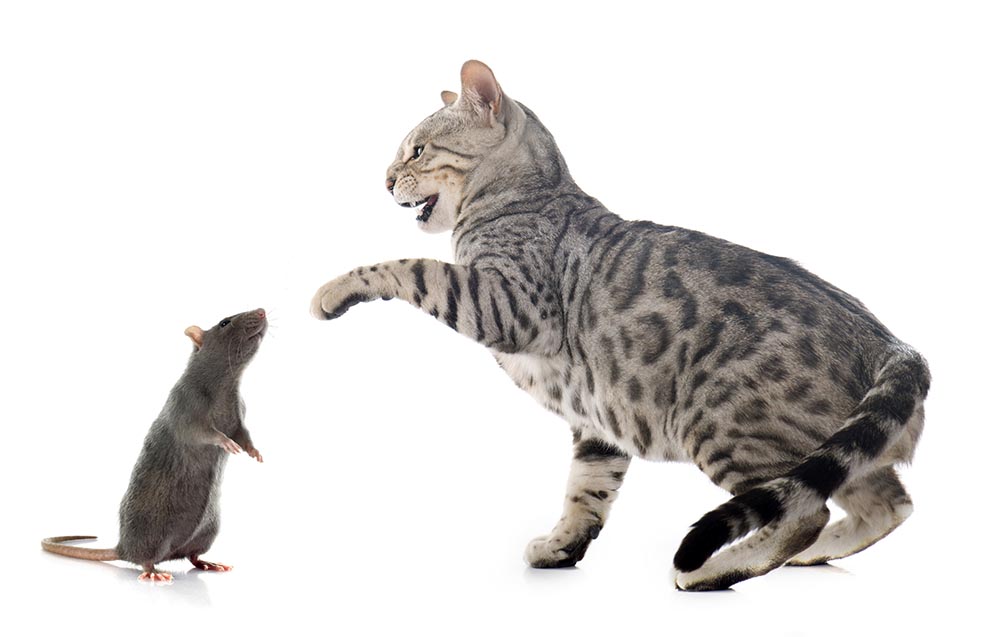
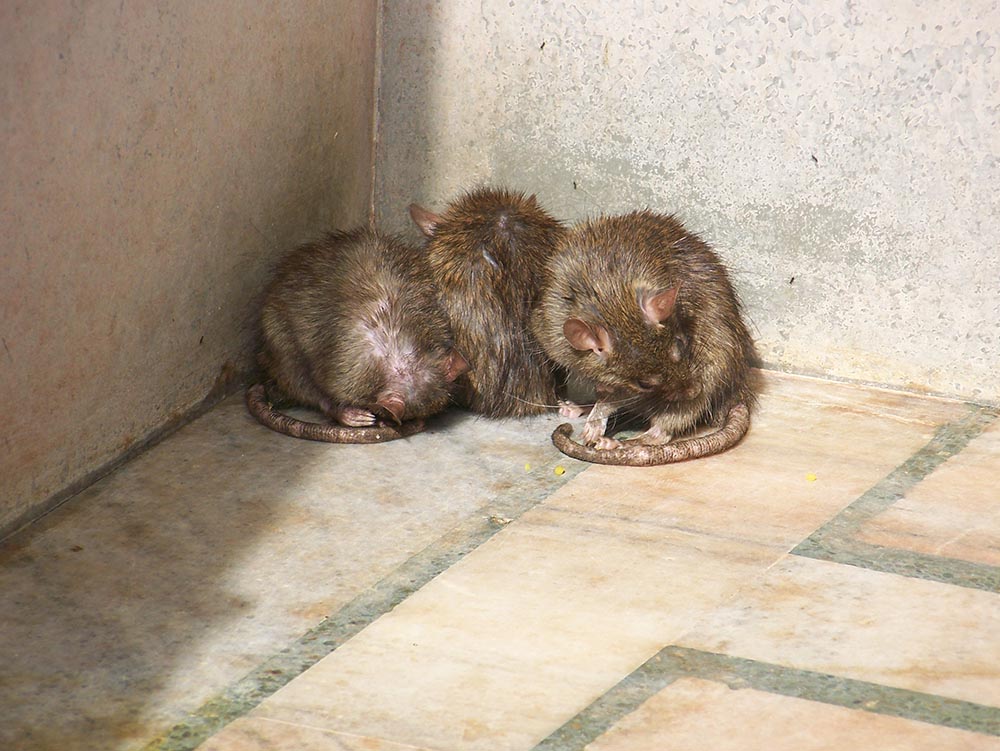
If you’ve ever had a rat problem at home, you know how persistent these pests can be. They chew through walls, leave droppings, and multiply faster than you can say “trap.” But here’s some good news — there are certain things rats absolutely hate. From specific smells and sounds to predators and environmental changes, understanding what drives rats away can help you prevent an infestation naturally.
As a professional rodent pest control in Brisbane, we’ve spent years dealing with rodent infestations across South East Queensland — in homes, restaurants, warehouses, and rural properties. While professional pest control is always the most effective long-term solution, knowing what repels rats can help you keep them away in between treatments.
In this guide, we’ll cover:
- What animals do rats fear most
- Which foods, sounds, and smells do rats hate
- How to use these natural deterrents safely and effectively
Let’s explore what truly makes rats run for cover.
What Animals Do Rats Hate?
In the wild, rats are prey for a variety of predators. Even in suburban Brisbane, they retain a strong instinct to avoid certain animals — whether they’re real threats or just perceived ones.
1. Cats
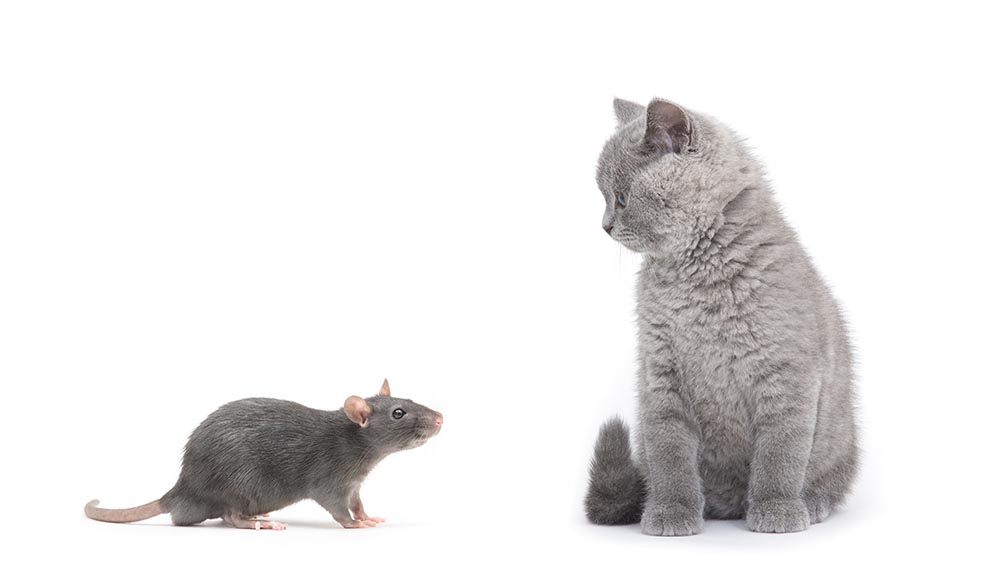
Cats are among the most effective natural rat deterrents. Their scent, urine, and even the sound of their movements can trigger a rat’s instinct to flee. Studies have shown that rats can detect cat pheromones and will avoid areas where cats frequent.
If you have a cat at home, you may notice fewer signs of rat activity — especially around entry points and garden sheds. However, it’s important not to rely solely on cats for pest control, as some rats can adapt and become bolder over time.
2. Dogs
Certain dog breeds, especially terriers and working dogs, are natural rat hunters. Their presence and scent can keep rats away from your property. Even if your dog isn’t interested in chasing rodents, their barking and activity around the yard can still deter rat movement.
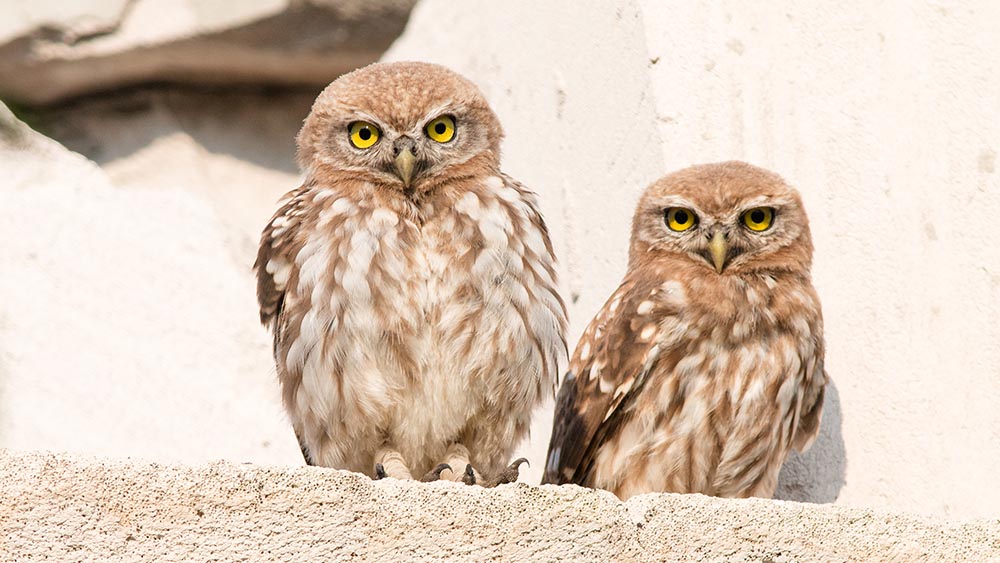
3. Owls and Birds of Prey
Rats are nocturnal, but they’re not safe at night — owls are one of their biggest predators. The sound of owl calls or even the presence of owl decoys can create a sense of danger for rats, making them less likely to linger.
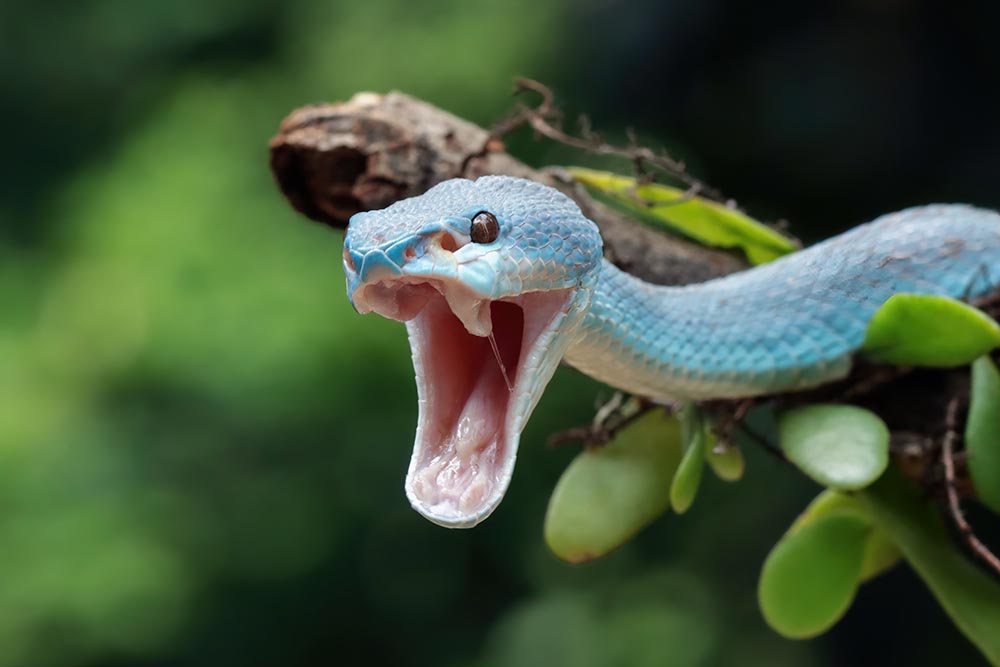
4. Snakes
While not the most pleasant deterrent for humans, snakes are a major predator of rats. The scent of a snake or shed skin can act as a strong warning signal. Of course, you don’t want to attract snakes to your property, but it’s interesting to know how deep-rooted this fear is for rodents.
At SWAT Pest Control Brisbane, we sometimes use predator scent cues (safe and synthetic) in our integrated pest management systems to complement traditional baiting and trapping methods. It’s not a replacement for pest control — but it’s one more tool in the toolbox.
What Foods Do Rats Hate?
Rats are omnivores — they’ll eat almost anything, from grains and fruit to meat scraps and pet food. But that doesn’t mean they love all food types. Certain flavours, textures, and ingredients are unappealing or even toxic to them.

1. Spicy or Strong-Smelling Foods
Rats have highly sensitive noses, so strong odours like chilli, pepper, and hot sauce can overwhelm them. Capsaicin (the compound that gives chilli its heat) irritates their senses, making them avoid treated areas. Some homeowners sprinkle cayenne pepper powder along skirting boards, under sinks, or near entry points as a natural repellent.

2. Mint and Herbs
Rats dislike the taste and smell of peppermint, eucalyptus, and spearmint. These herbs are commonly used in natural rodent repellent sprays. You can plant mint around outdoor areas or use essential oil sprays indoors to help keep rats at bay.
At SWAT, we often recommend a peppermint-based deterrent for clients who prefer an eco-friendly solution between professional treatments.

3. Citrus and Vinegar
Citrus peels, lemon juice, and white vinegar are other strong-smelling substances that rats avoid. The sharp acidity and pungent scent irritate their nasal passages. Some homeowners use vinegar to clean kitchen surfaces and rubbish bins — an easy way to both disinfect and repel.

4. Coffee Grounds
Used coffee grounds are not toxic to rats, but their bitter taste and strong smell make them unappealing. Sprinkling dry coffee grounds around bin areas or compost heaps can discourage rats from foraging there.
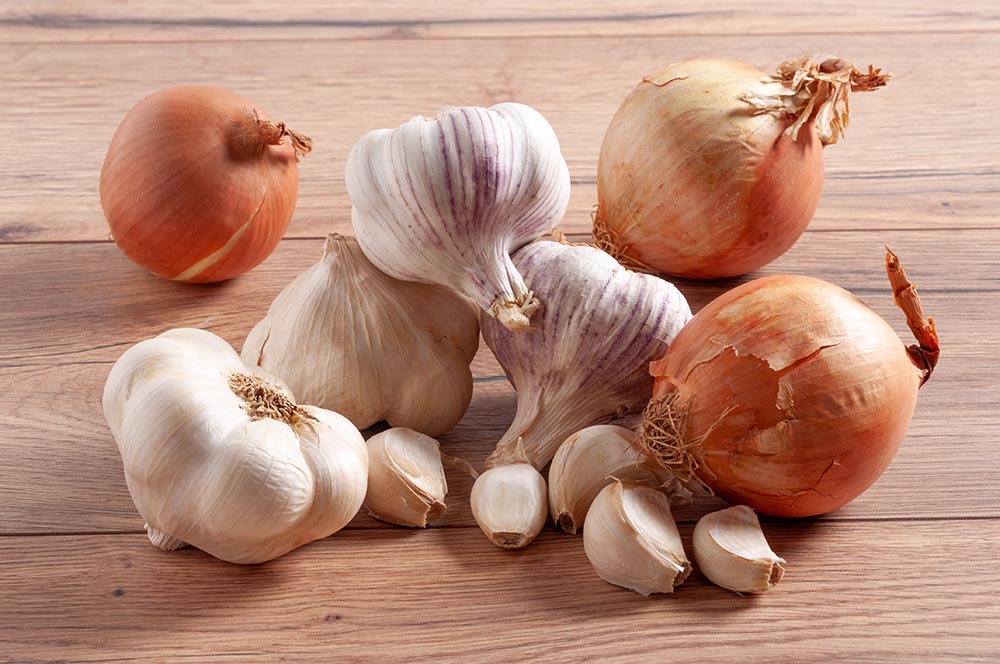
5. Onions and Garlic
Rats can’t stand the smell of onions and garlic — both are mildly toxic to them in large amounts. You wouldn’t want to use them excessively indoors (due to the odour), but in outdoor storage areas or sheds, they can be an effective natural deterrent.
While these foods can help discourage rats, it’s crucial to remember that removing food sources entirely is the real solution. Keep pet food sealed, store dry goods in airtight containers, and make sure garbage bins have tight lids.

What Sounds Do Rats Hate?
Rats have an incredibly sharp sense of hearing, far beyond the range of human ears. They’re sensitive to high-frequency noises and sudden loud sounds, both of which can cause distress or drive them away temporarily.
1. Ultrasonic Repellents
You’ve probably seen plug-in devices that emit high-frequency sounds designed to repel rodents. These can work in small enclosed areas, as rats dislike ultrasonic frequencies (typically between 30–65 kHz). However, effectiveness varies — some rats become accustomed to the sound over time, especially if food or shelter is available.
At SWAT Pest Control Brisbane, we treat ultrasonic devices as a complementary measure rather than a standalone solution. They can help deter rats initially, but shouldn’t replace professional treatment.
2. Sudden Loud Noises
Rats are naturally cautious creatures. Unexpected loud noises such as banging doors, barking dogs, or heavy machinery can frighten them off. This is one reason rats tend to avoid high-traffic or noisy areas of a home or business.
3. Predator Calls
As mentioned earlier, predator noises like owl screeches or cat growls can trigger a fear response in rats. Some pest deterrent systems play recorded predator sounds at night in outdoor areas like barns or warehouses.
Still, remember that rats are intelligent and adaptable. Continuous exposure to the same sound may cause them to ignore it over time. For consistent protection, pair these deterrents with physical exclusion (sealing gaps, installing barriers) and professional control measures.
What Smells Do Rats Hate the Most?
Rats have an exceptional sense of smell — it’s how they locate food, identify danger, and communicate. But certain scents are overwhelming or unpleasant to them, making smell-based deterrents one of the simplest and safest ways to keep rats away.
Here are the smells rats are known to hate most:

1. Peppermint Oil
One of the most popular natural rat repellents, peppermint oil has a strong, refreshing scent that rats find unbearable. It disrupts their scent-marking and navigation abilities.
How to use: Mix a few drops with water in a spray bottle and apply it to doorways, skirting boards, or roof voids. Refresh every few days for best results.

2. Eucalyptus and Tea Tree Oil
Eucalyptus and tea tree have powerful odours that repel rats while keeping your home smelling clean. They also have mild antibacterial properties, making them perfect for cleaning areas where rats have been active.
3. Ammonia
Ammonia mimics the scent of animal urine, which rats interpret as a sign of predators. A small bowl placed in problem areas can deter them — but it’s best used cautiously, as it can irritate humans and pets.
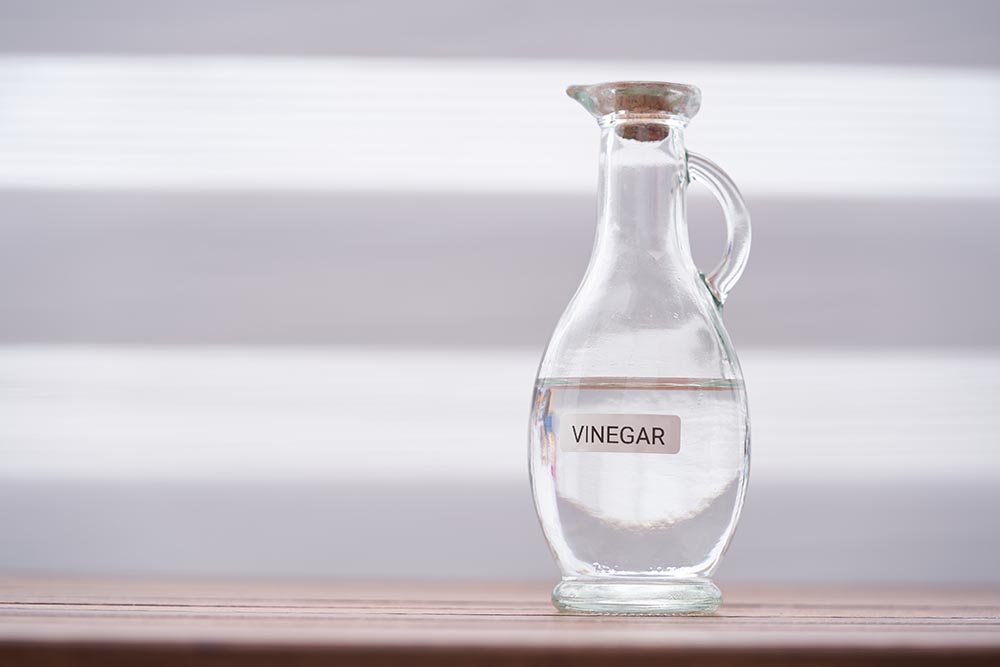
4. Vinegar and Bleach
Both have strong acidic or chemical smells that rats dislike. Regularly cleaning surfaces and bins with vinegar or diluted bleach helps remove the pheromone trails that attract rats back to the same spots.

5. Predator Urine (Synthetic)
Some pest professionals use synthetic predator urine — typically from foxes or cats — to create an environment that rats perceive as dangerous. It’s more commonly used in outdoor areas like farms or warehouses.
At SWAT Pest Control Brisbane, we’ve found that combining these smell deterrents with physical control (such as sealing entry points and trapping) provides the most effective results.

SWAT Pest Control Brisbane’s Expert Advice
While it’s useful to know what rats hate, deterrents alone won’t solve a full infestation. Rats are adaptable, and once they find a reliable food source or nesting site, their survival instincts can override their dislikes.
Here’s what we recommend to Brisbane homeowners and business owners:
- Identify and block entry points – Check around pipes, vents, roofing gaps, and under doors.
- Remove attractants – Keep food sealed, clean up crumbs, and store pet feed properly.
- Use deterrents wisely – Apply peppermint oil, vinegar, or ultrasonic devices as secondary measures.
- Inspect regularly – Look for droppings, gnaw marks, and grease trails around walls and ceilings.
- Call a professional early – Once you notice signs of rats, contact SWAT Pest Control Brisbane for a full inspection and treatment plan.
We provide tailored pest control services that combine safe baiting, trapping, exclusion, and environmental management. Our goal is not only to eliminate existing rats but also to make sure they don’t come back.
Conclusion
So, what do rats hate? Quite a lot, actually — from the scent of peppermint and vinegar to the sound of owls and the presence of cats. They also dislike strong spices, loud noises, and sudden changes to their environment.
But remember, while these natural deterrents can help keep rats away, they work best as part of an integrated pest management approach. The most reliable way to protect your home or business is to combine these preventive measures with expert pest control.
If you’re noticing rat activity in your Brisbane property, don’t wait for it to escalate. Contact SWAT Pest Control Brisbane today for a thorough inspection and a safe, effective rodent control plan that keeps your space pest-free for good.
