 Skip to main content


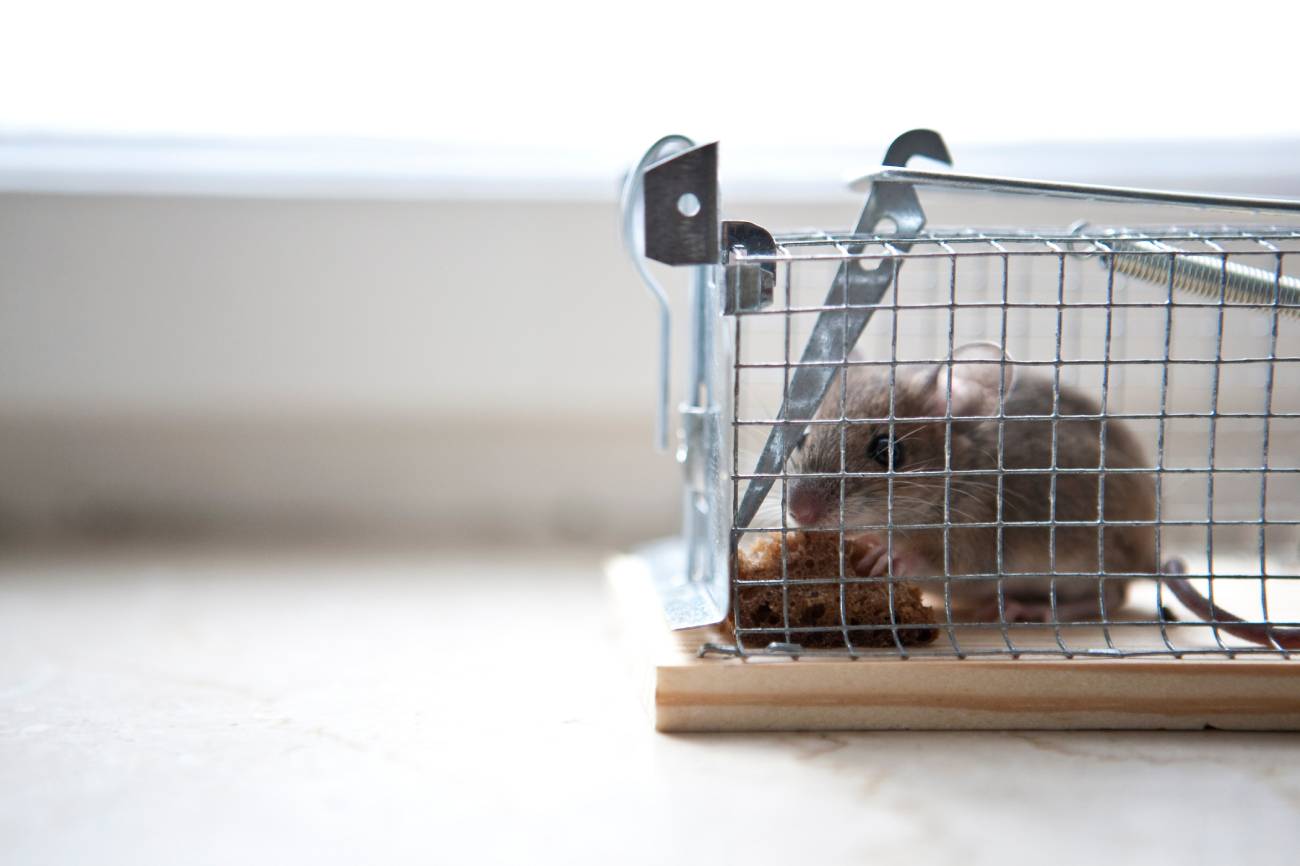
You’ve worked hard on your garden. You’ve nurtured your tomatoes, pruned your roses, and finally got the compost balance right. Then, you see it: a flash of fur darting behind the shed, or worse, your prize pumpkin hollowed out overnight.
It is infuriating. A rat infestation doesn’t just damage plants; it spreads disease (like Leptospirosis) and poses a genuine threat to your pets and family. The anxiety of wondering where they are nesting or if they will move inside your home is real.
But don’t panic, and don’t reach for the heavy-duty poison just yet. You can reclaim your backyard. Here is a professional rat control in Brisbane comprehensive guide to getting rid of rats in the garden effectively, safely, and permanently.
TL;DR: How to Stop Rats Now
Fastest Ways to Remove Garden Rats:
- Remove food sources: Secure compost bins and pet food bowls.
- Block entry points: Seal fences and shed gaps with wire mesh.
- Use natural deterrents: Apply peppermint oil or chilli spray.
- Set humane traps: Place along active runways.
- Clean up clutter: Remove woodpiles and tall grass (nesting sites).
- Encourage predators: Install owl boxes to attract natural hunters.
- Use ultrasonic devices: Install solar-powered repellers for open areas.
- 1. Know Your Enemy: Is it a Rat or a Possum?
- 2. Starve Them Out: Remove the Buffet
- 3. Destroy Their Hideouts: Habitat Modification
- 4. Natural Deterrents: The Scent War
- 5. Trapping Strategy: The Heavy Artillery
- 6. Encourage Natural Predators: The Biological Solution
- 7. Ultrasonic Repellers: The "Set and Forget" Method
- Conclusion
- Frequently Asked Questions
1. Know Your Enemy: Is it a Rat or a Possum?
Before you set traps, you must confirm what you are dealing with. In Australia, it is easy to mistake a native Brushtail Possum or Bandicoot for a rat. Harming native wildlife is illegal and unethical.
Look for these specific signs of rats:
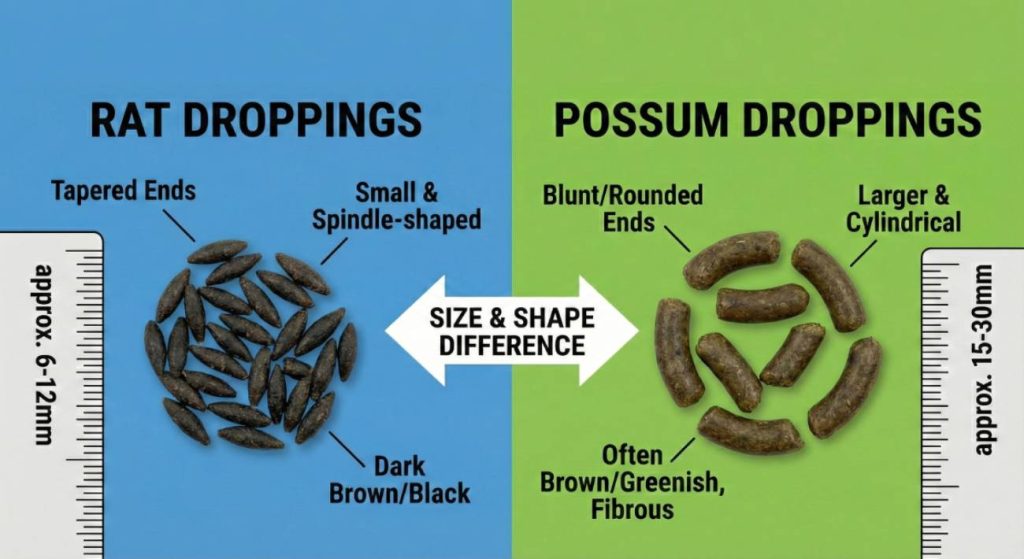
- Droppings: Rat droppings are dark, pellet-shaped, and about 10–14mm long (like a grain of rice). Possum droppings are larger and cylindrical.
- Runways: Rats stick to the same paths. Look for worn-down grass or greasy smudge marks along fences and walls.
- Burrows: Round holes (6–9cm wide) under sheds, decking, or compost heaps.
- Gnaw Marks: Parallel teeth marks on wood, plastic hoses, or unfinished crops.
2. Starve Them Out: Remove the Buffet
Rats are driven by one thing: calories. If your garden is a restaurant, they will never leave. You must close the kitchen.
- Secure the Compost: An open compost heap is a rat superfood. Switch to a sealed plastic bin or tumble composter. If you must compost on the ground, line the base with 1/4 inch hardware cloth (wire mesh) to stop them from digging up from underneath.
- Rethink Bird Feeders: Rats love bird seed. If you have an infestation, pause bird feeding for two weeks. If you must feed birds, use a baffling device and sweep up fallen seed daily.
- Pet Food Discipline: Never leave dog or cat food outside overnight. It is the number one attractant for urban rats.
- Harvest Immediately: Don’t leave fallen fruit or ripe veggies on the ground. Pick them as soon as they are ready.
- Check Hidden Spots: It’s not just food; leaky taps and overgrown ivy also invite pests. Learn exactly what attracts rats to your home so you can fix these environmental risks.
3. Destroy Their Hideouts: Habitat Modification
Rats hate open spaces because they fear predators (owls, snakes, and cats). They rely on clutter to move around safely.
- The “One-Metre Rule”: Keep a clear gap of at least one metre between your house and any heavy vegetation.
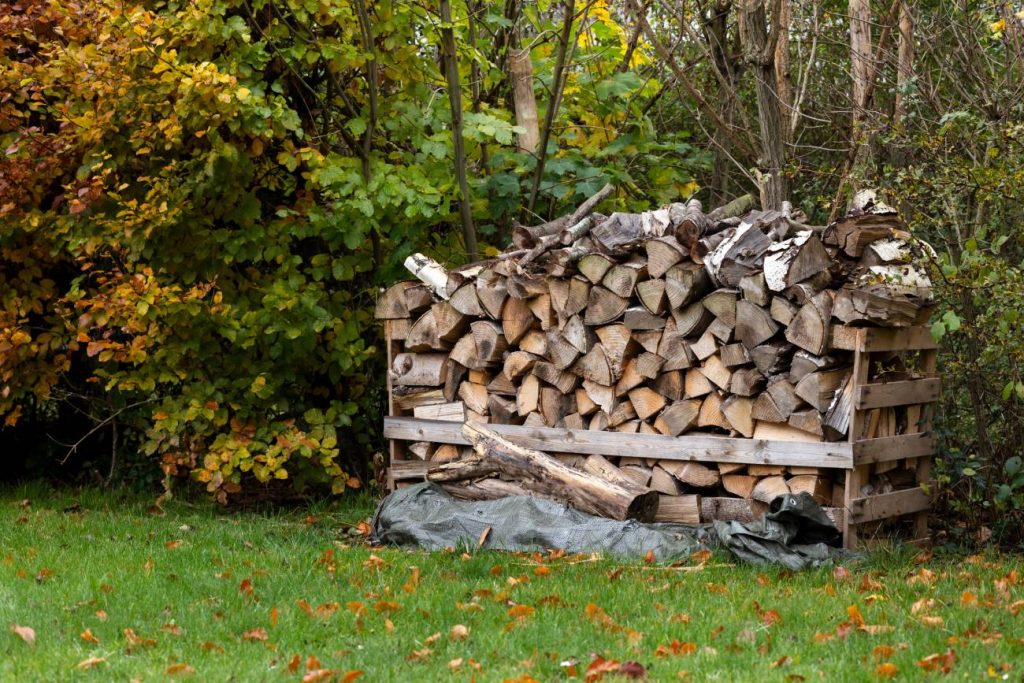
- Elevate Woodpiles: Stack firewood or lumber at least 30cm off the ground.
- Clear the Clutter: Old pots, bricks, and general garden rubbish provide perfect nesting sites. Be ruthless if you don’t use it, bin it.
- Trim the Hedges: Keep the bottom of hedges trimmed to expose the ground. This removes their “covered walkway.”
4. Natural Deterrents: The Scent War
Rats have an incredibly sensitive sense of smell. You can use this against them. While these methods won’t cure a massive infestation on their own, they are excellent for prevention and early-stage deterrence.
| Deterrent | How to Use | Effectiveness |
| Peppermint Oil | Soak cotton balls in 100% pure oil and place near burrows. | Medium (needs frequent refreshing) |
| Chilli / Cayenne | Sprinkle generous amounts of chilli powder along runways. | High (creates irritation) |
| Planting Mint | Plant peppermint borders around sheds and compost. | Low/Medium (preventative only) |
| Coffee Grounds | Spread wet grounds over soil. | Low (anecdotal success only) |
The Chilli Spray Recipe:
Mix chopped hot chillies, water, and a drop of dish soap. Let it sit for 24 hours, strain it, and spray it around the perimeter of your garden. Warning: Wear gloves and goggles!
5. Trapping Strategy: The Heavy Artillery
If sanitation and deterrents haven’t worked, you need to reduce the population.
Snap Traps vs. Live Traps
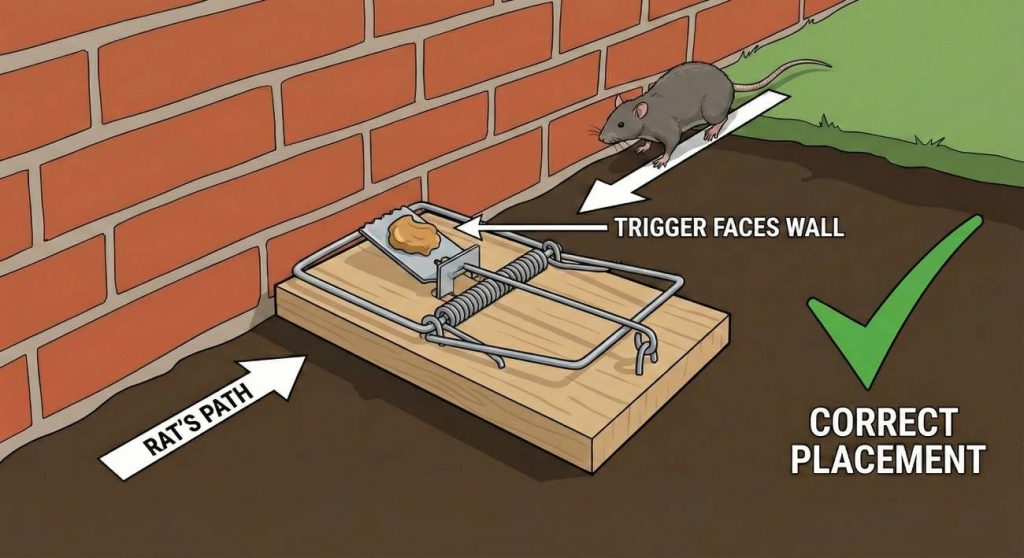
- Snap Traps: These are the most effective method for quick reduction. Place them inside a bait station (a plastic box) to ensure birds, lizards, and curious pets cannot trigger them.
- Live Traps: Humane, but require you to release the rat. Note: In many parts of Australia, it is illegal to release a trapped pest rat elsewhere (it spreads disease). You may be required to euthanise it humanely. Check your local council regulations.
The “Pre-Baiting” Secret
Rats are neophobic. If you put a trap down, they will avoid it.
- Place the trap unset with bait (peanut butter or dried meat) for 3–4 days.
- Let them eat the bait and get comfortable.
- Once they are feeding confidently, set the trap.
6. Encourage Natural Predators: The Biological Solution
Rats are terrified of predators. In Australia, we have excellent natural pest controllers like Barn Owls and Carpet Pythons. Rather than fighting nature, invite it in.
- Install an Owl Box: A single family of Barn Owls can consume over 1,000 rodents a year. Diverse gardening stores sell nesting boxes specifically designed for them. Mount one high up in a tree.
- Keep the Cat In (at Night): While cats are hunters, allowing them to roam at night risks them fighting with possums. However, the scent of a cat or dog in the garden is often enough to make rats nervous.
- Don’t Fear the Snakes: If you see a non-venomous snake (like a python) in the garden, leave it be. It is the most efficient rat trap on the planet.
7. Ultrasonic Repellers: The “Set and Forget” Method
For those who want a hands-off approach, solar-powered ultrasonic repellers are a popular choice.
- How they work: These devices emit a high-frequency sound that is inaudible to humans and most pets, but extremely irritating to rodents.
- Best for: Open garden spaces where sound waves can travel. They do not work well through solid walls or thick bushes.
- The “Habituation” Warning: Rats are smart. They can get used to the sound after a few weeks. To keep this method effective, you must move the devices around the garden every 2–3 weeks to confuse them.
Conclusion
Getting rid of rats in the garden isn’t about one magic bullet; it’s about making your backyard an inhospitable environment for them. By combining sanitation (removing food), exclusion (blocking holes), and targeted trapping, you can force the colony to move on.
However, if you are facing a severe infestation or simply don’t have the time to manage traps daily, we are here to help. Explore our services for a professional, pet-safe removal plan that gets your garden back to normal faster.
Start today by securing your compost and clearing that pile of junk behind the shed. Your garden belongs to you, not the rodents.
Here is a question to consider: If you removed every visible food source from your garden today, where would the rats go tomorrow? Have you sealed that area yet?
