 Skip to main content



If you live in Brisbane, you already know that our beautiful sunny days and high humidity come with a hidden cost: bugs.
Whether it’s the unsettling scratching sound in your roof void at 2 AM, a Huntsman spider dropping onto your dashboard, or the silent, invisible destruction of termites eating through your home’s framing, pests are a constant threat in South East Queensland. Ignoring them doesn’t just lead to a few jump scares; it can result in thousands of dollars in structural damage or serious health risks for your family.
But you don’t have to surrender your home to the local wildlife. In this comprehensive guide, we will break down exactly which pests are invading Brisbane properties, when they strike, and how to protect your home year-round.

TL;DR: The Most Common Pests in Brisbane
Brisbane’s subtropical climate creates the perfect breeding ground for a variety of destructive and nuisance pests. The most common pests affecting Brisbane homes include:
- Termites (Specifically Coptotermes and Schedorhinotermes)
- Cockroaches (American and German)
- Rodents (Rats and Mice)
- Spiders (Huntsman and Redback)
- Ants (Green, Black, and Coastal Brown)
- Silverfish and Mosquitoes
The “Big 3” Property & Health Threats in Brisbane
While some bugs are merely annoying, these three pests pose severe risks to your property’s structural integrity and your family’s health.
1. Termites (White Ants): The Silent Destroyers
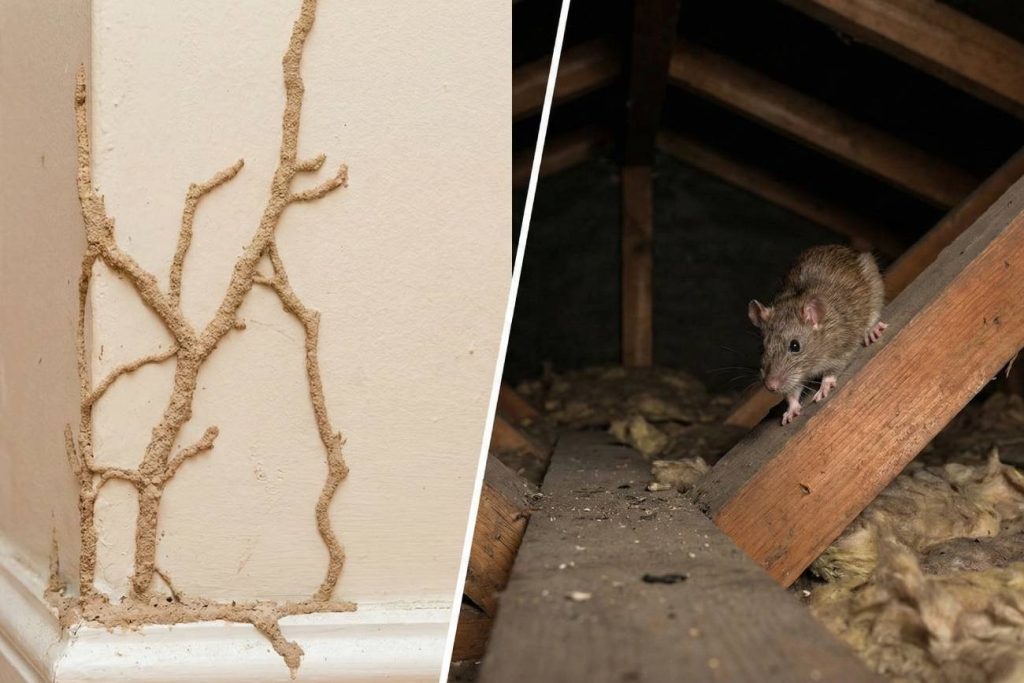
Termites are undoubtedly the most destructive pest in Brisbane. One in three Brisbane homes will be affected by termites, causing an average of $7,000 in untreated damage.
The two most dangerous species in South East Queensland are Coptotermes acinaciformis and Schedorhinotermes. They thrive in our moist, humid environment and can consume a staggering amount of timber before you even realise they are there. They don’t just eat structural wood; they will chew through gyprock, plastic, and even electrical wiring.
- Warning Signs: Mud tubes on brickwork, hollow-sounding timber, cracked paint, and discarded wings near windows.
- Danger Level: Extreme Property Threat.
2. Cockroaches: The Resilient Health Hazard
Cockroaches thrive in Brisbane’s muggy summers. The large American Cockroach usually flies in from the outside during storms, while the smaller German Cockroach prefers to nest in the warm, damp areas behind your fridge or dishwasher.
They are far more than just a gross sight. Cockroaches contaminate food surfaces with droppings and shed skin, which are known to trigger asthma and severe allergies in up to 7% of the population.
- Warning Signs: Pepper-like droppings in cupboards, smear marks, and a distinct musty odour.
- Danger Level: High Health Risk.
3. Rodents: The Roof Void Invaders
As the nights get cooler in Autumn, rodents migrate from the garden directly into your warm roof void. Rats and mice are incredibly destructive, gnawing on electrical cables (a major fire hazard) and spoiling stored food.
Worse, rodent droppings can harbour over 35 different diseases, including Salmonella. Because they breed rapidly, a minor mouse problem in April can turn into a full-blown infestation by July.
- Warning Signs: Scratching noises at night, chewed food packaging, and small, dark droppings along baseboards.
- Danger Level: High Health and Property Risk.
Before you can effectively keep them out of your roof void, it is crucial to understand exactly what attracts mice and rats to your property in the first place, from exposed pet food to overgrown garden debris.
Nuisance and Biting Pests You Can’t Ignore
Beyond the “Big 3,” Brisbane’s lush environment supports a massive population of insects that can cause painful bites or ruin household goods.
Spiders: The Eight-Legged Roommates
If you live in Brisbane, you have spiders. While the large, hairy Huntsman is terrifying to look at, it is generally harmless and actually eats other bugs.
The real concern is the highly venomous Redback Spider. They love quiet, dry places like the undersides of outdoor furniture, children’s toys, and inside letterboxes. Funnel-webs can also occasionally be found in damp garden areas in certain Brisbane suburbs.
Ants and Mosquitoes
Mosquitoes are a relentless summer nuisance, breeding rapidly in any standing water left by afternoon storms. They carry diseases like Ross River Virus.
Ants (including Green Ants, Black Ants, and Coastal Brown Ants) are active year-round. Green ants deliver a painful sting, while Black ants will relentlessly invade your kitchen the moment a crumb is dropped or the weather turns too dry.
Silverfish: The Wardrobe Wreckers
Silverfish love high humidity and dark spaces, making Brisbane wardrobes and laundry cupboards their perfect habitat. They feed on starches and carbohydrates, which means they will happily eat through your expensive clothes, important documents, and wallpaper.
The Brisbane Seasonal Pest Calendar
Pest behaviour in Queensland is entirely dictated by the weather. Use this table to understand what is active and when to prepare.
| Season | Peak Pest Threats | Homeowner Action Required |
| Spring (Sep – Nov) | Termite Swarmers, Ants, Spiders | Schedule your annual General Pest Spray. Clear weep holes of grass. |
| Summer (Dec – Feb) | Cockroaches, Mosquitoes, Fleas | Empty bins daily. Eliminate standing water in the yard. |
| Autumn (Mar – May) | Rodents (Mice & Rats), Spiders | Trim overhanging branches. Seal gaps around windows and pipes. |
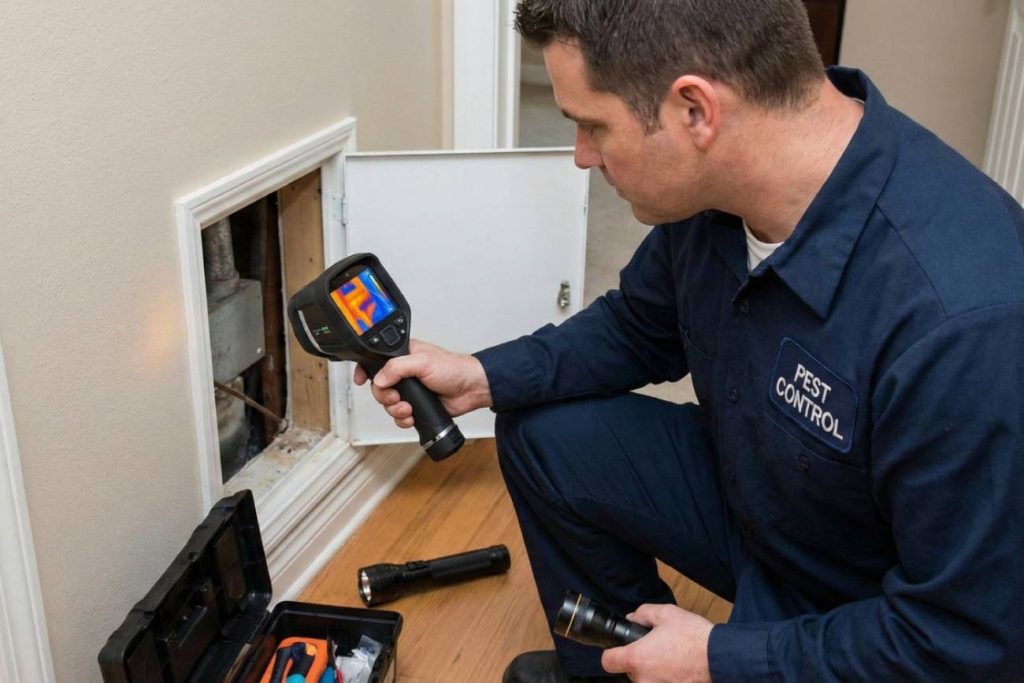
| Winter (Jun – Aug) | Silverfish, German Cockroaches | Clean behind the fridge. Schedule a thermal Termite Inspection. |
DIY Prevention vs. Professional Treatment
Can you handle pest control yourself? Yes and no.
What you CAN do (DIY):
- Keep your kitchen spotless and store food in airtight containers.
- Seal cracks in window frames and doorways.
- Use surface sprays for occasional ants or a stray cockroach.
What you MUST leave to Professionals:
- Termites: Never attempt to DIY a termite treatment. Disturbing them will just make them move to another part of your house. You need licensed chemical barriers or baiting systems.
- Major Rodent Infestations: Hardware store baits are often ignored by smart city rats. Professionals use strategic baiting and monitoring stations in the roof void.
- Targeted Chemical Applications: If you have dogs or cats, you might worry about chemical exposure from bug sprays. However, modern professional pest management relies on targeted, eco-friendly applications, ensuring the treatment is safe for pets while remaining highly effective against destructive bugs.
Conclusion
Living in Brisbane means sharing our beautiful environment with a thriving ecosystem of bugs. However, you don’t have to share your living room with them.
By understanding the seasonal behaviours of termites, cockroaches, rodents, and spiders, you can shift from simply reacting to pests to proactively defending your home. Consistent, year-round vigilance is the key to a safe and pest-free property.
