 Skip to main content


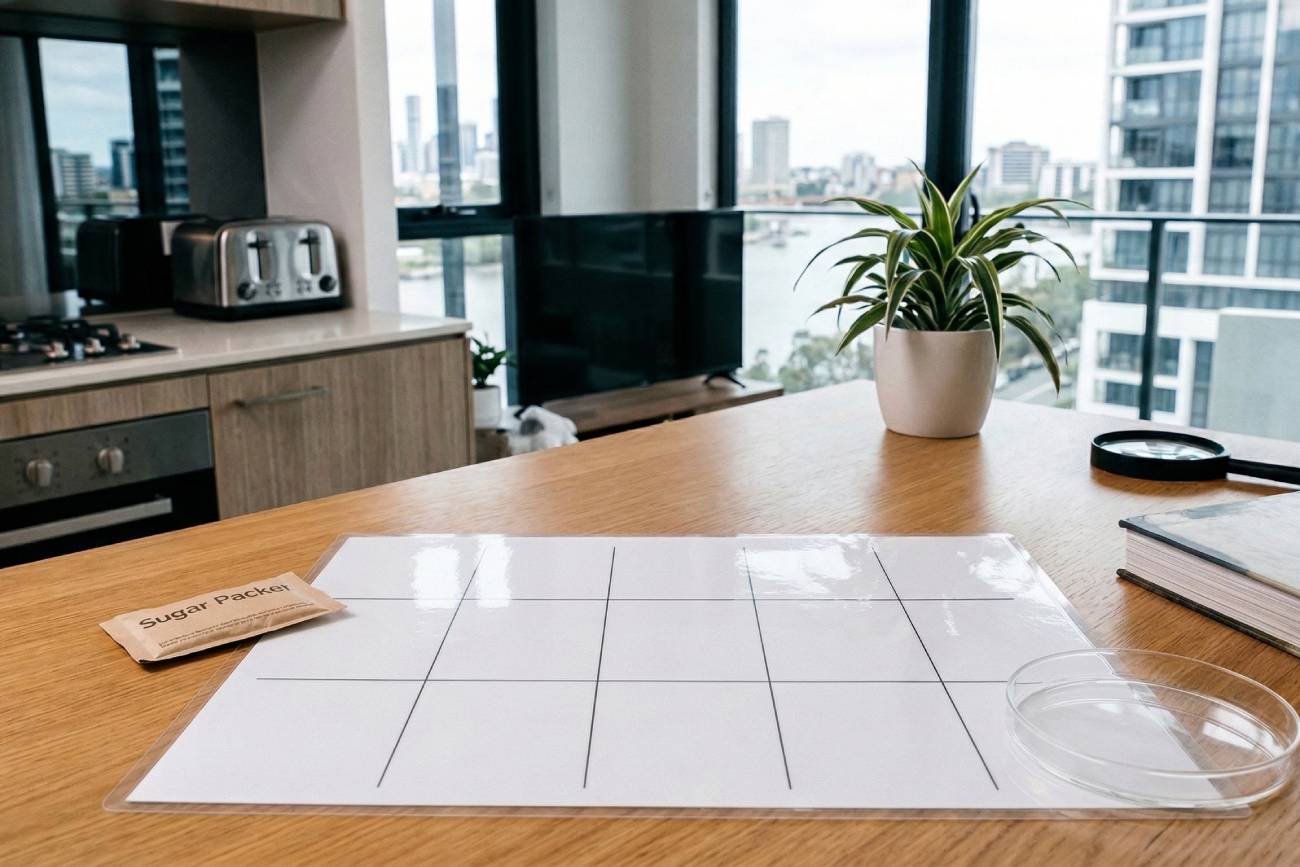
Living in a vibrant Brisbane apartment offers incredible convenience and stunning river city views. However, this proximity to neighbours creates a hidden problem because pests can travel rapidly between residential units.
When one apartment develops an infestation, it is only a matter of time before those insects migrate through shared walls and communal plumbing voids. The frustration compounds when standard store-bought sprays fail to reach the actual source of the colony, hidden deep within the building structure.
The solution lies in understanding exactly which pests thrive in Queensland high-density living and utilizing specialized multi unit treatment protocols. We will explore the most frequent intruders and explain why apartment pest control requires a completely different approach than a traditional standalone house.
TL;DR: The Short Guide to Apartment Pests
The most common pests in Brisbane apartments are German cockroaches, silverfish, coastal brown ants, and roof rats. Treating apartment pests is fundamentally different because technicians must address shared plumbing voids and interconnected walls. Professionals rely on targeted gel baits and localized low toxicity dusts instead of broad-spectrum airborne sprays.
The Unique Ecosystem of Brisbane Apartments
Brisbane experiences a subtropical climate characterised by intensely humid summers and mild winters. This weather pattern creates an absolute paradise for moisture-seeking pests.
High-rise buildings and unit blocks provide a highly stable microclimate for these insects. The internal temperature of a large concrete building fluctuates very little throughout the year.
Because apartments feature shared garbage chutes and communal basements, pests have constant access to food sources. They use the internal structural voids as protected superhighways to move freely from the ground floor all the way to the penthouse.
Top 4 Most Common Pests in Brisbane High Rises
1. German Cockroaches
German cockroaches absolutely thrive in the warm and humid climate of South East Queensland. They specifically target apartment kitchens and bathrooms where moisture and food scraps are plentiful.
Unlike larger outdoor cockroach species, these indoor pests breed rapidly inside the warm motor casings of fridges and dishwashers.
Treatment in a standalone home might involve heavy perimeter spraying around the garden. Apartment treatments rely heavily on discreet gel baits and insect growth regulators placed safely inside cabinetry hinges.
This localised baiting approach stops the breeding cycle entirely without releasing strong chemical odours into a small living space.
2. Silverfish
Brisbane’s humidity makes enclosed units a perfect breeding ground for silverfish. These silent destroyers feed on starchy materials like books, clothing, and wallpaper paste.
They often travel between different floors using internal elevator shafts and communal laundry ventilation systems.
Treating them requires a highly specific internal approach. Pest managers puff fine insecticidal dust into roof voids and wall cavities where these insects safely hide during the day.
3. Coastal Brown Ants
Ants are notorious for invading elevated apartments by marching up exterior brickwork or travelling through internal pipe penetrations.
A single large colony can easily service multiple units on different floors simultaneously.
Using domestic bug spray simply scatters the colony and makes the infestation much worse. Professionals use slow-acting protein and sugar baits that worker ants carry back to destroy the central nest hidden within the building core.
4. Rodents in Tall Buildings
Rats and mice are related, and both are surprisingly agile creatures that frequently infest multi-level complexes. They utilise basement car parks and garbage rooms to access the upper residential floors.
Standard rat poison can be disastrous in an apartment because a dying rodent might get trapped inside a shared wall cavity and create an unbearable smell for weeks.
Experts instead use secure bait stations in communal areas and precise snap trapping methods inside individual units to ensure easy and hygienic removal.
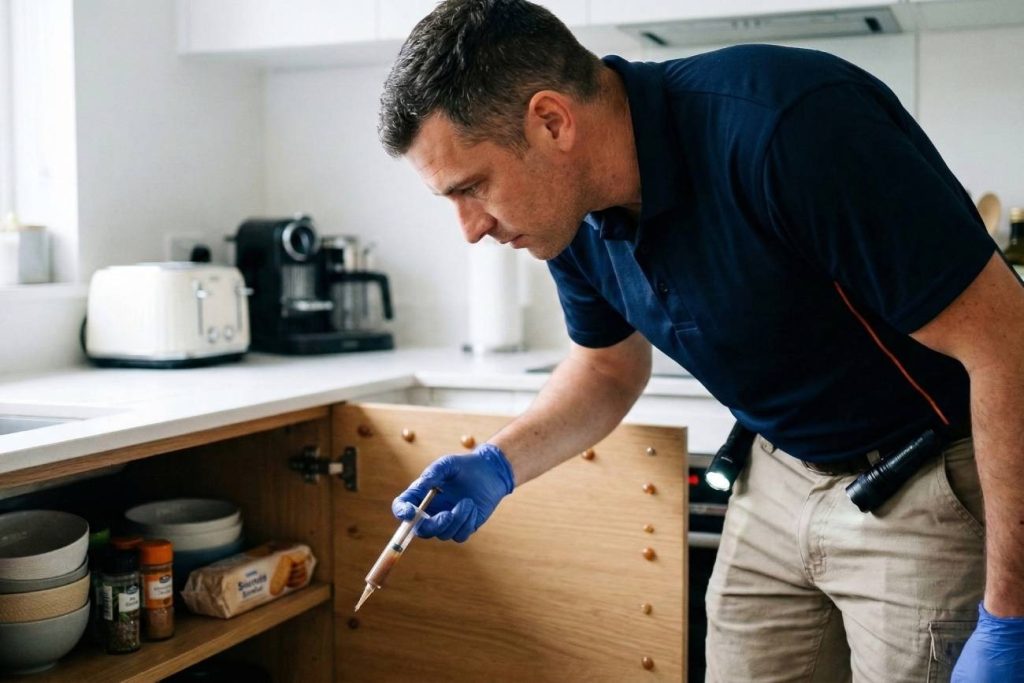
How Apartment Pest Control is Fundamentally Different
Shared Walls and Plumbing Voids
Apartment buildings are essentially massive interconnected ecosystems. Treating a single unit without considering the surrounding environment is often a frustrating waste of time and money.
Shared plumbing and electrical voids act as transit routes for insects. Technicians must seal these entry points physically to prevent reinfestation from neighbouring units.
Strict Low Toxicity Requirements
Since apartments have limited cross ventilation compared to open houses, experts prioritise air quality and resident safety.
Low-toxicity solutions are strictly enforced. Technicians rely heavily on odourless gels, enclosed bait stations, and targeted dusts over airborne chemical sprays.
This ensures that asthmatic residents, young children, and indoor pets are completely protected during the eradication process.
The Strata Management Dynamic
Effective pest eradication in a high-density building often requires treating communal spaces alongside private residential spaces.
This means your pest controller must understand how to navigate strata rules. They frequently need to coordinate with building managers to gain access to locked basements and shared service cupboards.
Treatment Comparison Guide
| Target Pest | Traditional House Treatment | Specialised Apartment Treatment |
| German Cockroaches | Heavy liquid surface chemicals | Targeted gel baits and growth regulators |
| Silverfish | Broad internal skirting board spraying | Fine insecticidal dust puffed into wall cavities |
| Ants | Flooding external garden nests | Strategic indoor baiting stations to destroy the colony |
| Rodents | Toxic baits are scattered in large roof spaces | Secure trapping to prevent foul odours in shared walls |
Coordinating with Body Corporate
Understanding who pays for pest control in a strata scheme is crucial for rapid resolution. The lines of responsibility can sometimes feel blurry for new tenants and owners.
Generally speaking, the individual resident is responsible for internal pests caused by lifestyle factors. This includes treating fleas brought inside by a pet or cockroaches attracted to poor kitchen hygiene.
The body corporate is responsible for pests originating from common property. This includes termite management for the building structure and rodent control in communal basement parking lots.
Always document the pest activity with photographs and notify your property manager immediately so they can arrange an approved commercial contractor. If you need immediate guidance on the best approach for your specific building structure, it is highly recommended that you speak with a Specialist today.
Conclusion
Managing pests in a Brisbane apartment requires precision and a deep understanding of structural biology. The close quarters and shared infrastructure mean that traditional heavy chemical sprays are both ineffective and potentially unsafe for enclosed environments.
By focusing on the specific behaviours of German cockroaches, silverfish, ants, and rodents, you can implement highly targeted and low odour solutions. Always remember that coordinating with your strata manager is often the critical key to achieving long-term eradication.
Are you currently noticing early signs of a pest invasion in your building, or are you just planning for the humid Queensland summer months?
