 Skip to main content



Rats are one of the most hated animals on Earth. Many people see them as dirty, dangerous, and unnecessary pests. They’re blamed for disease, property damage, and urban decay. So it’s natural to ask: Why do rats even exist? Wouldn’t the world be better without them?
To answer honestly, we need to look beyond emotion and fear. When you examine ecology, science, and history, you’ll discover that rats, uncomfortable as it may be, serve real purposes in the natural world. And removing them entirely could cause more harm than good.
Why Rats Exist at All
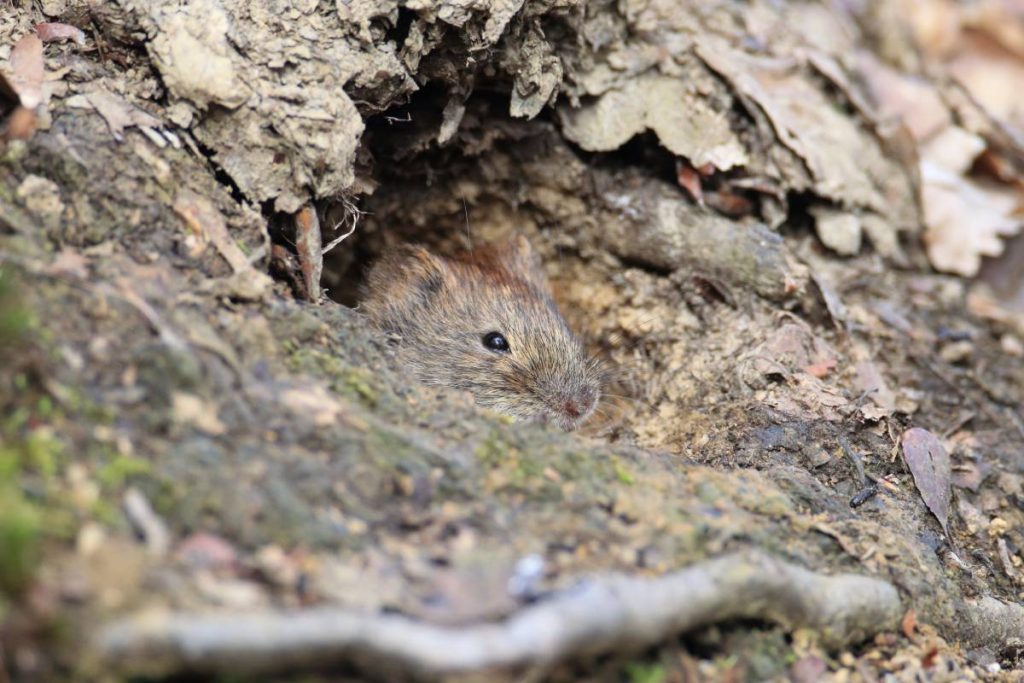
Rats have survived for millions of years because they are exceptionally adaptable mammals. They can live in forests, grasslands, sewers, farms, and cities.
From an evolutionary standpoint, rats exist because they:
- Reproduce quickly
- Eat almost anything
- Learn and adapt faster than many predators
Nature doesn’t create animals “by mistake.” If a species persists across continents and climates, it fills a role even if humans dislike it.
The Ecological Role of Rats
1. Natural Waste Management
Rats are scavengers, meaning they consume:
- Food scraps
- Dead animals
- Organic waste
Without scavengers, waste accumulates faster than ecosystems can process it. Rats help recycle nutrients back into soil and food webs.
Key takeaway:
Rats act like unpaid sanitation workers in many environments.
2. Seed Dispersal and Soil Health
In forests and grasslands, rats:
- Carry seeds away from parent plants
- Bury food caches that later germinate
- Aerate soil through burrowing
This helps:
- Plants spread
- Forests regenerate
- Soil retains oxygen and nutrients
3. Population Control Through Competition
Rats compete with other small animals for food. While that sounds negative, competition:
- Prevents overpopulation of certain species
- Encourages biodiversity balance
Nature relies on tension, not harmony, to stay stable.
Rats and the Food Chain
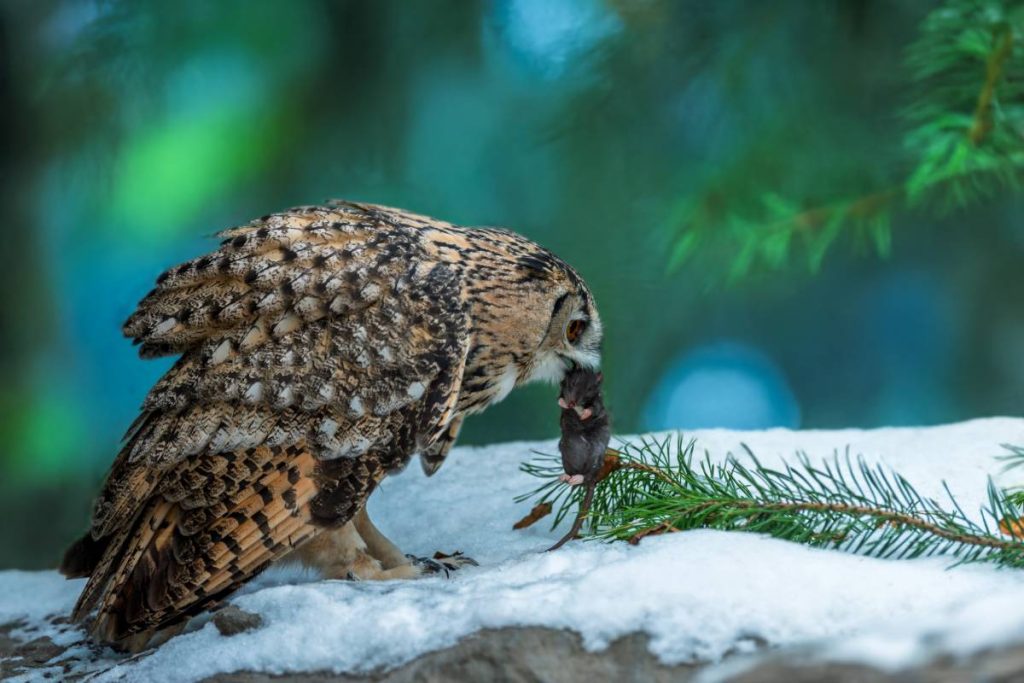
Rats do not exist in isolation; their role as prey is shaped by the natural predators of rats that depend on them for survival. Rats are foundational prey animals.
They feed:
- Owls
- Hawks
- Snakes
- Foxes
- Wild cats
If rats disappeared suddenly, predators would:
- Starve or decline
- Switch to other prey (causing overhunting)
- Collapse local food chains
Simple Food Chain Impact Table
| If Rats Disappear | Consequence |
| Predator food loss | Predator population crash |
| Predators switch prey | Imbalance in other species |
| Reduced scavenging | Waste accumulation |
This is how ecological domino effects begin.
Rats and Human Progress
1. Rats in Medical and Scientific Research
Rats have helped humans:
- Develop vaccines
- Understand genetics
- Test cancer treatments
- Advance neuroscience
Why rats?
- Mammalian biology similar to humans
- Short life cycles
- Highly observable behaviour
Without rats, modern medicine would be decades behind.
Expert Insight: A Contrarian Truth
Many life-saving treatments exist today because rats were used in early testing. Erasing rats would erase a massive chapter of medical progress.
2. Behavioural and Psychological Studies
Rats can:
- Learn mazes
- Show empathy
- Display memory and problem-solving skills
This makes them valuable for understanding:
- Learning disorders
- Addiction
- Stress and anxiety
Ironically, one of the animals humans fear most has taught us the most about ourselves.
The Dark Side: When Rats Become a Problem
Many rat infestations are less about the animals themselves and more about what attracts rats to human environments, including food waste, shelter, and poor urban planning. Let’s be clear: rats are not harmless.
Real Problems Caused by Rats
- Spread of disease in unsanitary conditions
- Damage to wiring, crops, and buildings
- Invasive species destruction on islands
Invasive Rats vs Native Ecosystems
In places like island ecosystems, introduced rats:
- Eat bird eggs
- Destroy native species
- Cause extinctions
This is not a “rats are evil” problem; it’s a human introduction problem.
Pro tip: Context Matters
Rats are only devastating when ecosystems are unprepared for them. Balance, not elimination, is the real solution.
Can the World Survive Without Rats?
Short answer: Yes.
Honest answer: We wouldn’t like the consequences.
What Would Happen If Rats Vanished?
- Food chains collapse
- Waste builds up
- Predators decline
- Scientific research slows
- Other pests explode in population
Nature hates empty roles. If rats disappeared, something else, often worse, would replace them.
Hypothetical Scenario Table
| System | Impact Without Rats |
| Ecosystems | Severe imbalance |
| Predators | Starvation, migration |
| Urban waste | Increased decay |
| Medical research | Slower innovation |
Survival doesn’t equal stability.
What We Should Do Instead of Eradicating Rats
Smarter Solutions
- Improve waste management
- Control populations humanely
- Protect vulnerable ecosystems
- Prevent invasive spread
The goal is coexistence with control, not extinction.
When rat activity becomes unmanageable or starts affecting health and safety, professional assessment matters. Contact us today to discuss responsible, effective pest control options tailored to your environment.
Pro tip: The Ethical Angle
Eliminating a species because it inconveniences us is ecological arrogance. Managing our own waste and cities is the real fix.
Conclusion
Rats exist for a reason, even if that reason makes us uncomfortable. They recycle waste, support food chains, and advance science. Humans could survive without rats, but ecosystems would fracture in unpredictable ways.
The real question isn’t whether rats should exist.
It’s whether we’re willing to understand our role in the problems we blame on them.
