 Skip to main content


When most people spot a rat scurrying across their backyard or hear scratching in the roof, they’re not thinking about the animal’s species — they just want it gone. But did you know Australia is home to dozens of different rat and rodent species, and not all of them are pests? Some are native and play an important role in our environment, while others are invasive species that can cause serious problems in homes and businesses.
At SWAT Pest Control Brisbane, we believe understanding what type of rat you’re dealing with is the first step to effective pest control. Whether it’s the common Black Rat causing a mess in your roof or a native bush rat passing through your garden, correct identification helps ensure the right approach — protecting both your property and local wildlife.
In this article, we’ll look at:
- How many rat species are found in Australia
- Which rat species are most common (and most likely to infest your property)
- Which rats are native to Australia, and their role in the ecosystem
How many rat species are in Australia?
Here at SWAT Pest Control Brisbane, we often get asked, “Just how many kinds of rats are there in Australia?” The short answer: it depends on how you count them – but there are around 60 native rodent species in Australia, and several introduced rat species that are causing trouble in homes, businesses and industrial sites.
Here’s a breakdown:
- According to wildlife authorities, Australia has “about sixty species so far described” of native rodents (in the rodent family Muridae) in Australia.
- But some say that there are nine distinct native rat species (or seven) in Australia, though this may be a simplification.
What this shows is two important points for our clients:
- Many rodents live in Australia, and while many are harmless and part of the ecosystem, a few key species are ones we deal with as pests.
- When doing pest-control work, it’s critical to know whether you’re dealing with a common introduced species (which often live alongside humans) or a less common native species (which may require different treatment, or may not be a “pest” to be eliminated in the usual way).
So while we don’t have a single exact number that applies to every case (because new species are still found, taxonomy changes, and “rat vs mouse vs rodent” distinctions get blurred), the figure of “around 60 native rodent species” is a good rule of thumb for the native side. Then you add in the introduced pest species that dominate our discussions in homes and businesses.
From our viewpoint, we focus primarily on the introduced species which affect human habitation and cause damage or health risks. So in our next section, we’ll look at which rats are most common.
What rats are most common?
In our pest control work across Brisbane, Queensland and broader Australia, there are two or three species that are the “usual suspects”. These are the ones you’re most likely to find in and around buildings, sheds, factories, food-storage areas, and so on. Specifically:
- The Black Rat (scientific name Rattus rattus): This rat is very common in urban, suburban and coastal Australia. It is adept at living in buildings, roof spaces, and around walls and is often the first species people think of when they discover a rat.
- The Brown Rat (also called the Norway rat, scientific name Rattus norvegicus): This is another species that causes many pest-control calls. It tends to be ground-dwelling, burrows, lives near water or moist environments and in and around human infrastructure.
- The House Mouse (Mus musculus) often shows up in similar contexts (though strictly it’s a mouse, not a rat), and is sometimes lumped in with “rats” by laypeople. But for our purposes, it’s worth noting that “rats” in homes often means the first two species above.
From a practical standpoint for pest control in Brisbane, we find these introduced species dominate: they breed rapidly, adapt to human environments, cause property damage (chewing wiring, insulation, food containers, timber, etc) and pose health/hygiene risks (they carry diseases, fleas, ticks, etc).
Key things we note:
- Black rats are highly adaptable and often found in roof spaces and among building cavities.
- Brown rats tend more to burrow and live at ground level, along walls, near water and drainage.
- Both will take advantage of food waste, unsecured bins, building gaps, plumbing holes, and so on – so prevention and exclusion go hand-in-hand with treatment.
- Because they reproduce so quickly (short gestation periods, multiple litters per year), rapid action is essential.
So when someone calls SWAT Pest Control Brisbane reporting “rat activity”, chances are it’s one of these introduced species. And our job is first to identify which, assess the access points and harborage, and then deploy best-practice control and prevention.
Which are Australian natives?
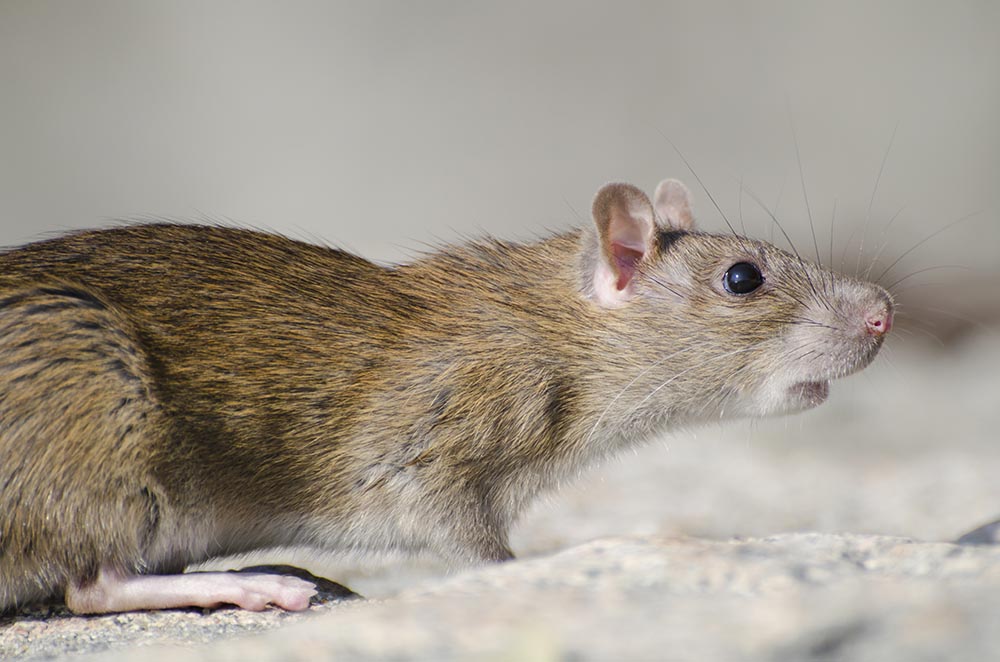
It’s a common question: “Are there any rats native to Australia?” The answer is yes — there are native rodents that are referred to as “rats” (or rat-like), but they behave very differently, live largely in bush or ecological habitats rather than in our houses, and in many cases are protected or at least not the same kind of pest we deal with.
From our perspective, it is important to recognise this distinction – we don’t want to risk harming native species, and our protocols focus on the introduced pest species.
Here are some key points and examples:
Native rodent diversity
- Australian authorities say there are “approximately 60 species of native rodents in Australia”.
- These native rodents all belong to the rodent family Muridae, and many arrived in Australia from northern regions millions of years ago.
- Native “rats” (in the broad sense) are less likely to be the ones infesting homes, and more likely to live in natural habitats, be nocturnal, shy, and play ecological roles such as seed-dispersal, acting as prey, etc.
Examples of Australian native rat species
Here are a few of the native species that may interest a reader:
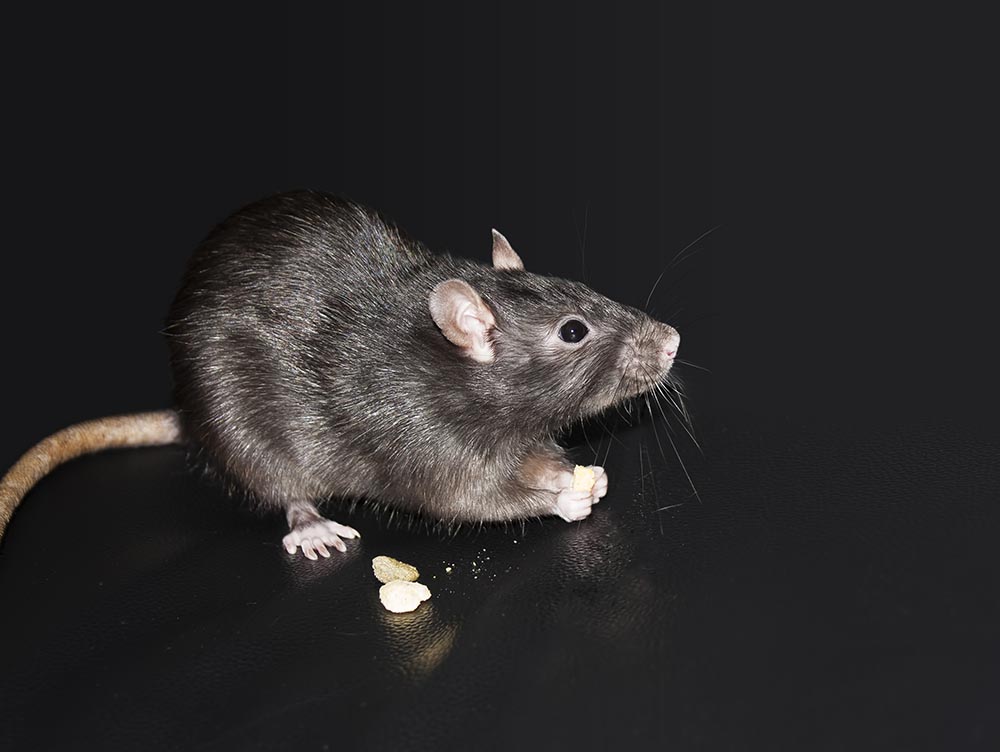
- The Bush Rat (Rattus fuscipes) is widespread along forested coasts and ranges in Australia, prefers dense ground cover, and is considered native rather than a pest species.
- The Swamp Rat (Rattus lutreolus) is native and found along coastal areas of south-eastern Australia; though it might occasionally venture into disturbed habitats, it is not typically a house-infesting species.
- The Dusky Rat (Rattus colletti) is native to northern Australia.
Why natives aren’t usually the problem inside buildings
From our experience working in Brisbane and Queensland, we observe that:
- Native rodents generally are less adapted to our built environment (homes, warehouses, urban infrastructure) than the introduced species.
- Many of the native ones live outside, in natural bushland, woodland, grassland and remote habitats.
- They often have different habits: e.g., their diet might be seeds and fungi, they use vegetation cover, and they avoid human dwellings.
- Therefore, when a client reports rat activity inside a building, the odds are strongly in favour of an introduced pest species, not a native rodent. That means our treatment strategy assumes a pest species unless the signs suggest otherwise.
- Nonetheless, it’s important for responsible pest control businesses like us to correctly identify the species, so we don’t inadvertently disturb or mis-treat protected native wildlife.
Why it matters for your home/business
For you as a homeowner, business owner or property manager in Brisbane:
- If you’re dealing with a rat problem in or around a building, you are quite likely dealing with one of the introduced pest rats, so a pest-control company needs to use methods suitable for those species (baiting, exclusion, monitoring).
- If you’re in bushland, near riparian zones, or dealing with a rodent issue that may involve less-common native species, a different approach may be needed (and you should ensure the pest-controller has the expertise and regulatory knowledge).
- Prevention is critically important for the common species: things like sealing building entry points, maintaining waste bins, clearing clutter and pest-harbourage, and eliminating food/ water sources. These make the difference between a one-off treatment and a long-term problem.
- Also, knowing what species you are dealing with helps determine how quickly the infestation can grow (introduced species often reproduce at high rates) and what sorts of risks are involved (e.g., gnawing, damage, disease).
Final Thought
At SWAT Pest Control Brisbane, we appreciate that rodents and “rats” are often misunderstood. Many people assume all “rats” in their home are some generic species, but when you dig a little deeper, you find the story is more complex: there are dozens of native rodents, a few species that cause the majority of pest problems, and the correct approach depends on accurate identification.
Here’s our practical advice for you:
- If you suspect rat activity in your home, warehouse, food-preparation area, commercial property or industrial site, you should act promptly. The common introduced species (Black Rat, Brown Rat) reproduce quickly and, once established, can cause serious damage.
- Engage a licensed pest-control professional (such as SWAT Pest Control Brisbane) who will inspect the property, determine access points, identify likely rodent species, and recommend an integrated management plan (including exclusion, sanitation, trapping/baiting, and monitoring).
- Don’t assume all “rats” are the same. If you are in a property that borders bushland, natural habitat or if your issue seems outside, check whether native species may be involved, because the treatment may differ.
- Preventive maintenance is key: secure bins, block voids, maintain good hygiene, store food properly, eliminate water sources, and keep vegetation away from building walls. These steps reduce the chance of infestation.
- If you are in doubt about whether a rodent is a pest species or a native wildlife species, you should ask the pest controller for a proper species assessment. This ensures compliance with wildlife regulations and ensures the right outcome for you and for the environment.
Whether you’re dealing with a minor squeak in your roof space or a full-scale rat burrow system under your industrial site, we at SWAT are ready to help: we provide inspection, identification, tailored pest-control solutions, and follow-up monitoring to make sure the problem is resolved—and stays resolved.
If you’d like to schedule an inspection or ask us about “Which rat do I have? Is it native or pest?”, feel free to contact SWAT Pest Control Brisbane. Let us help you keep your property rodent-free, safe and secure.
